







Building A1 DDP - Dubai Silicon Oasis
Industrial Area - 342001 -
Dubai - United Arab Emirates
+971 50 756 2346
SERVICES
COMPANY LINKS
SIGN-UP
For Newsletter



Is your UX design portfolio opening doors or leaving opportunities on the table?
Hiring managers spend as little as 7.4 seconds scanning a portfolio on the first pass (1). That means your work needs more than stunning visual design; it requires strategic storytelling, measurable outcomes, and proof that you can solve real business problems.
If you’re exploring UX design portfolios (examples and use cases) to see how others have cracked the code and how you can too, you’re in the right place.
Whether you’re new and figuring out what is UX design, experimenting with different UX design software, or searching for tips on how to get into UX design, this blog is for you.
In this guide, we’ll show you the best UX portfolio examples, share in-depth case studies, and explain how great portfolios stand out to both hiring managers and potential clients.
Because your portfolio isn’t just a website; it’s your UX product.
A UX design portfolio is a place where a UX designer proves they can turn ideas into real solutions.
It’s where you show your design process, share case studies, and explain how your work improves user satisfaction and business goals.
And here’s the truth: 68% of hiring managers say a strong portfolio is the biggest factor when choosing a new designer.
That’s because hiring managers and potential clients aren’t only looking for pretty screens. They want to see how you solve problems, run user research, and create measurable outcomes.
They want proof that you understand user-centric design principles and that your ideas can make an impact.
A strong UX portfolio includes:
Whether you’re a budding UX designer or an experienced pro, your portfolio should show more than beautiful graphic design. It should prove your skills and thinking, and connect your work to real results.
Remember, a UX design portfolio isn’t just for getting hired. It’s your brand, your sales pitch, and your way to stand out in the busy design industry.
Every UX designer has different goals, skills, and career paths, so your portfolio should reflect who you are and the kind of work you want to do.
From budding UX designers starting with passion projects to experienced UX designers showcasing complex case studies, there’s a wide range of styles and focuses.
Below, we’ve laid out how different UX design portfolios often look for different roles. Use this as a guide to shape your unique portfolio stand in the crowded design industry.
The best UX portfolio examples are always tailored to your experience level and the role you want next.
A UX design portfolio isn’t just for landing a job.
Hiring managers rely on it to judge your problem-solving skills and your ability to deliver measurable outcomes.
Potential clients want to see proof that you can translate ideas into smart design solutions and contribute to business success.
Internally, a solid portfolio helps you climb the ladder, showing how your design projects have improved user satisfaction or achieved business goals. It’s also your ticket to building a personal brand, networking with other designers, and attracting freelance opportunities.
And don’t forget: it’s the perfect place to show off passion projects, unsolicited redesigns, and the kind of work that lights you up inside.
No matter your career stage, your portfolio website should showcase your best work and the story behind it.
Think of your UX portfolio as your product and every person who visits it is your user.
A great portfolio doesn’t just show pretty screens. It guides people through your story, your skills, and the results you’ve delivered.
Whether you’re an experienced UX designer or a budding UX designer, knowing what to include and how to present it is key to standing out in the crowded design industry.
Every strong UX designer portfolio shares a few common sections. Here’s what you shouldn’t leave out:
A well-organized portfolio builds trust and keeps people engaged from start to finish.
Your visuals help turn a good portfolio into one of the best UX portfolios out there.
Be sure to include:
These visual elements make your work feel real and relatable.
Even the best UX portfolio examples fall flat without clear writing.
Keep your tone simple, skip jargon, and always explain why your choices matter.
When writing for hiring managers or potential clients, remember they want fast clarity, not fancy buzzwords.
Your UX portfolio might look great, but what truly makes it stand out to hiring managers and potential clients is your case studies.
These stories prove that you’re not just skilled in graphic design or pretty screens; they show how you think, solve problems, and deliver real results.
Whether you’re sharing work for a product designer role or showcasing passion projects, case studies turn your portfolio from decoration into evidence.
A strong UX designer portfolio doesn’t hide the messy middle of a project.
Instead, it highlights how you approach challenges, your UX design process, and the measurable outcomes you achieved.
This matters because companies want proof that your designs improve user satisfaction and help reach business goals. It’s how you show your value beyond just visuals.
Here’s what to include in every case study to make it shine:
The best UX portfolio examples use short, clear storytelling paired with visuals like before-and-after shots.
Metrics matter. Even small numbers showing improved user satisfaction or reduced errors make your work memorable.
A case study without data is just a pretty story, and that’s not enough to impress the best hiring managers in the design industry.
Want to know what the best UX portfolios look like in action?
Let’s explore real UX design portfolio examples and use cases from designers who’ve turned their portfolios into career-launching platforms. Each brings its style, storytelling, and unique spin on solving business problems and showcasing UX skills.
Here’s who we’re going to discuss:
These designers prove there’s no single path to a stunning UX portfolio; just smart ways to tell your story and prove your skills.
Let’s now see how they do it, and how you can too!
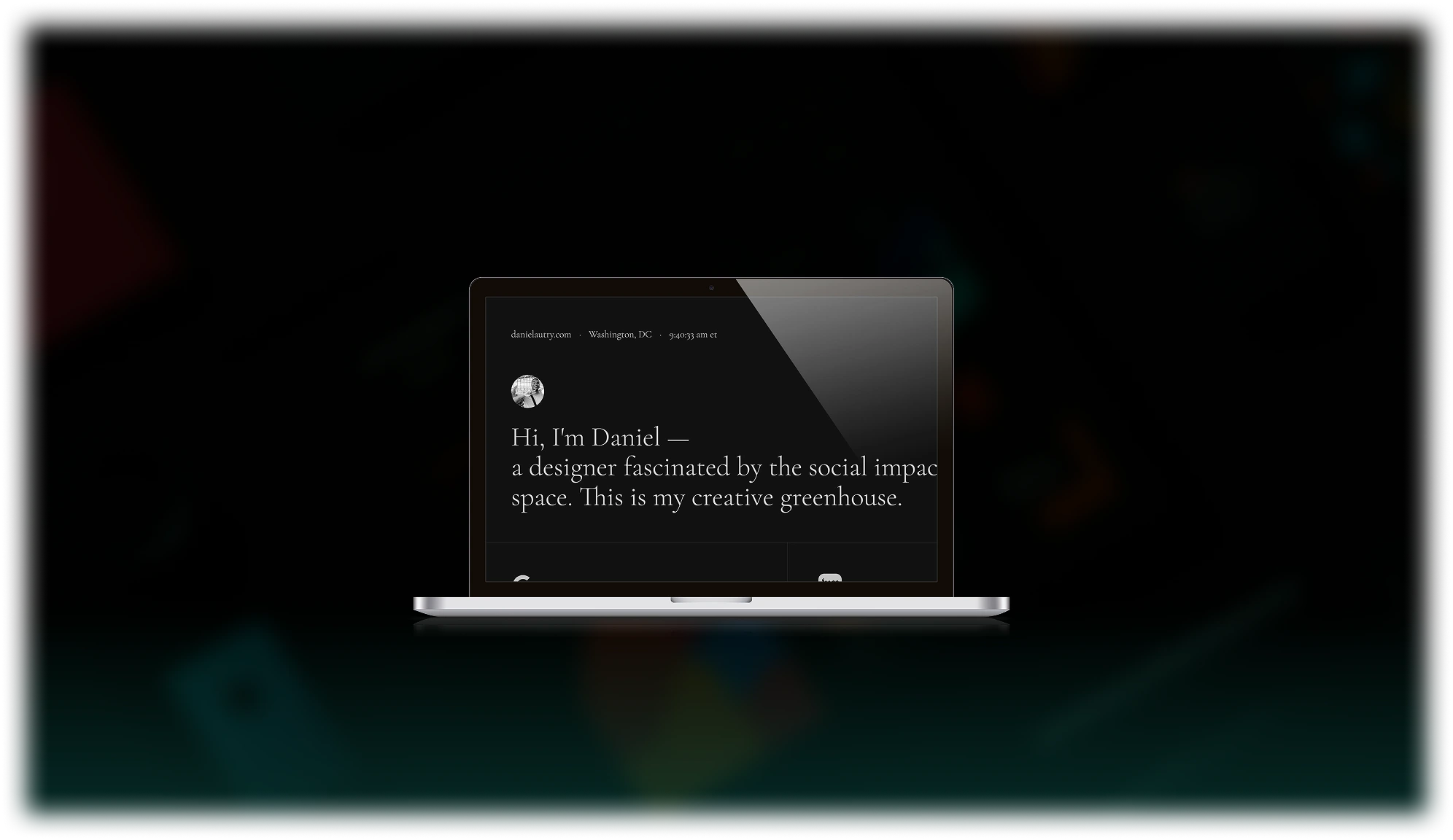
Daniel Autry has built one of the best UX portfolio examples out there, and for good reason.
His portfolio stands out because it combines minimalist writing with sleek, modern visuals. It’s not cluttered. Every section has a purpose, guiding visitors through his story without overwhelming them. This makes it an awesome UX portfolio example for anyone looking to build a clean, user-focused portfolio website.
Check it out here: Daniel Autry’s Portfolio
Daniel’s UX Design Process:
Visual Elements Used:
Business Results:
If you’re looking for UX design portfolio examples and use cases that prove less can be more, Daniel’s portfolio is a great example to study, and a shining star among modern UX portfolio showcases.
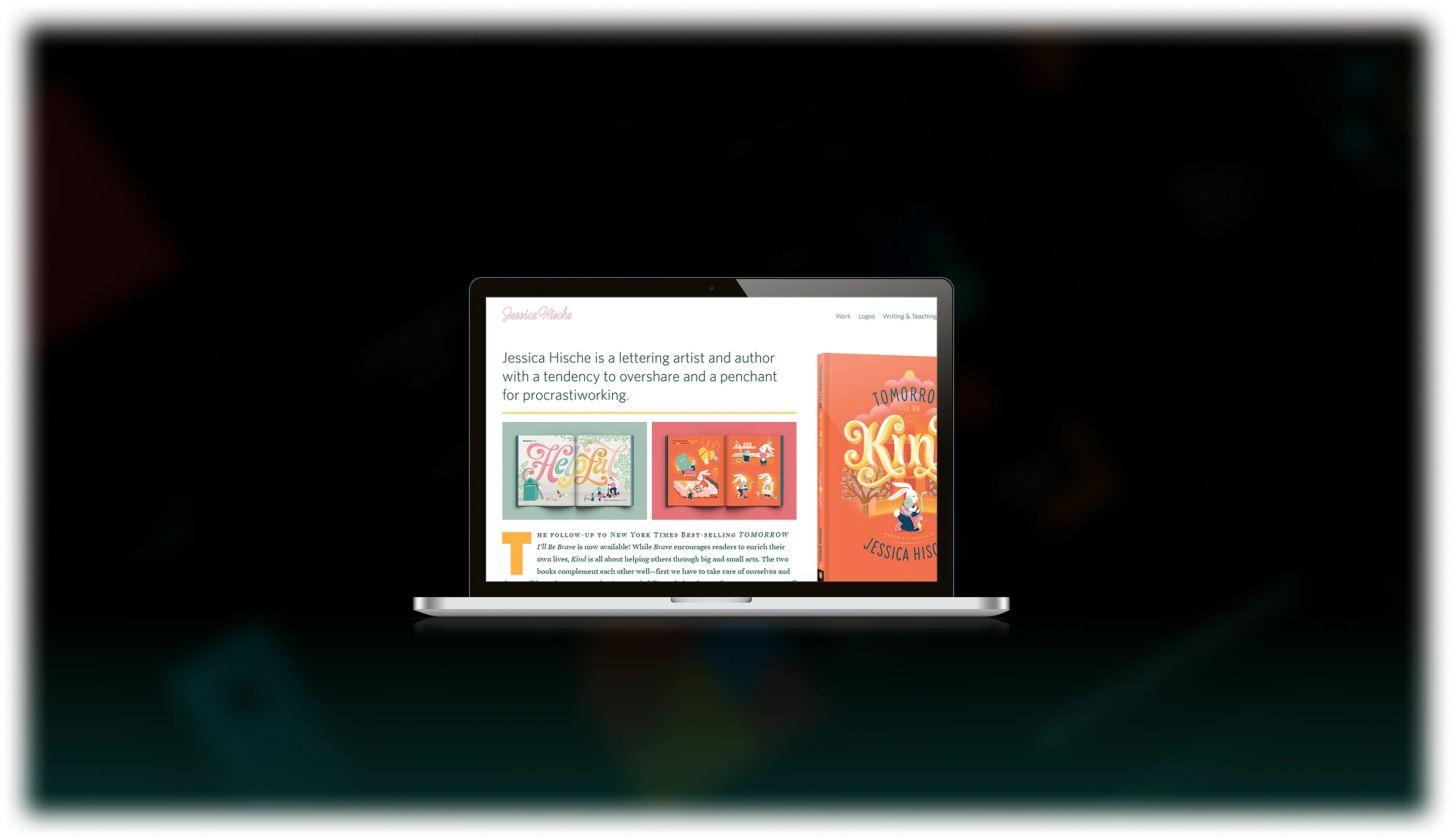
Jessica Hische is widely known in the design world, and her portfolio is one of the best UX portfolio examples because it merges beautiful graphic design artistry with clear UX storytelling.
Her site feels personal, polished, and full of character, which makes it an awesome UX portfolio example that stands out in any lineup of UX portfolio showcases.
Explore her work here: Jessica Hische’s Portfolio
Jessica’s UX Design Process:
Visual Elements Used:
Business Results:
Jessica’s portfolio is proof that when you merge graphic design skills with thoughtful UX storytelling, you create a memorable experience and a spot among the best UX portfolios around.
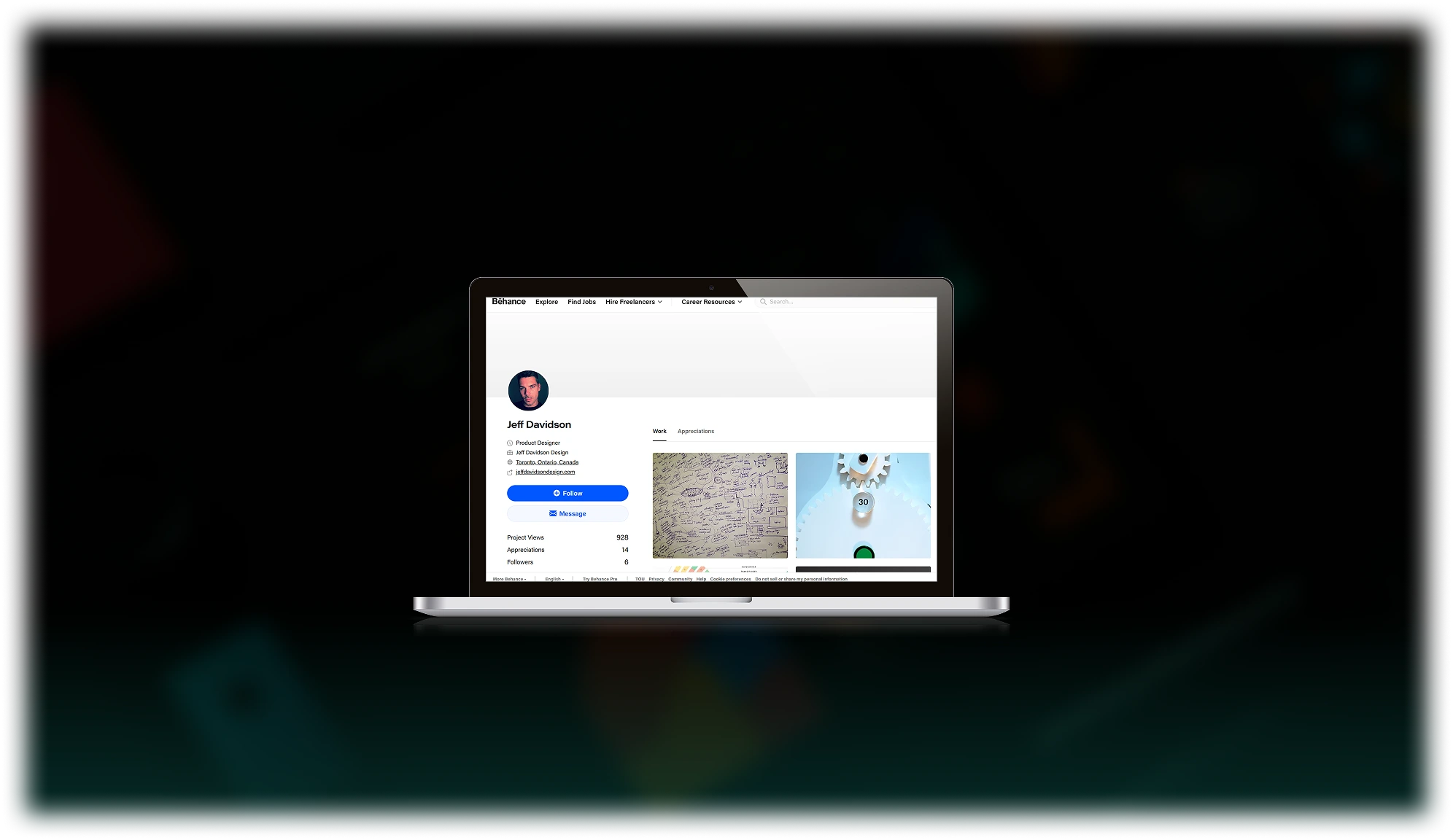
Jeff Davidson has carved out a reputation for having one of the best UX portfolio examples online, especially if you’re looking for deep dives into projects with clear business impact.
His work is a prime UX portfolio example for hiring managers and potential clients who care about real numbers and solid proof of value. It’s no surprise his site is a highlight in many UX portfolio showcase discussions.
Check it out here: Jeff Davidson’s Portfolio
Jeff’s UX Design Process:
Visual Elements Used:
Business Results:
If you’re looking for UX design portfolio examples that combine clarity, business focus, and impressive results, Jeff’s portfolio is a great example and a must-see among the best UX portfolios in the design industry.
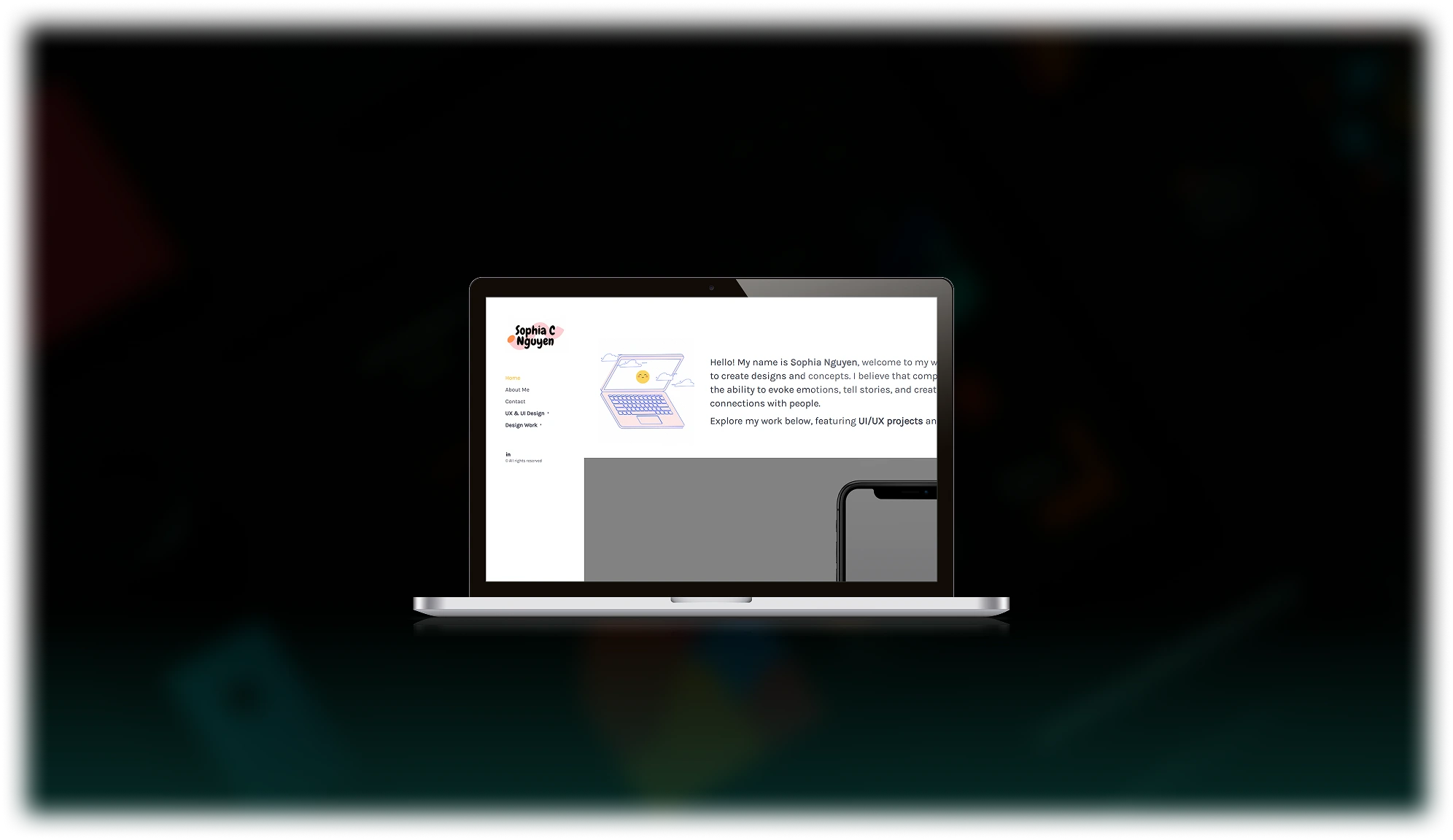
Sophia Nguyen has created one of the most awesome UX portfolio examples out there, thanks to her brilliant mix of visual storytelling and flawless micro-interactions.
Her work feels alive, blending creativity and usability, which makes her site shine in any list of best UX portfolio examples and modern UX portfolio showcases.
Visit her portfolio here: Sophia Nguyen’s Portfolio
Sophia’s UX Design Process:
Visual Elements Used:
Business Results:
Sophia’s portfolio is an excellent example of how a modern UX designer portfolio can combine creativity, storytelling, and results, all hallmarks of the best UX portfolios in today’s design industry.
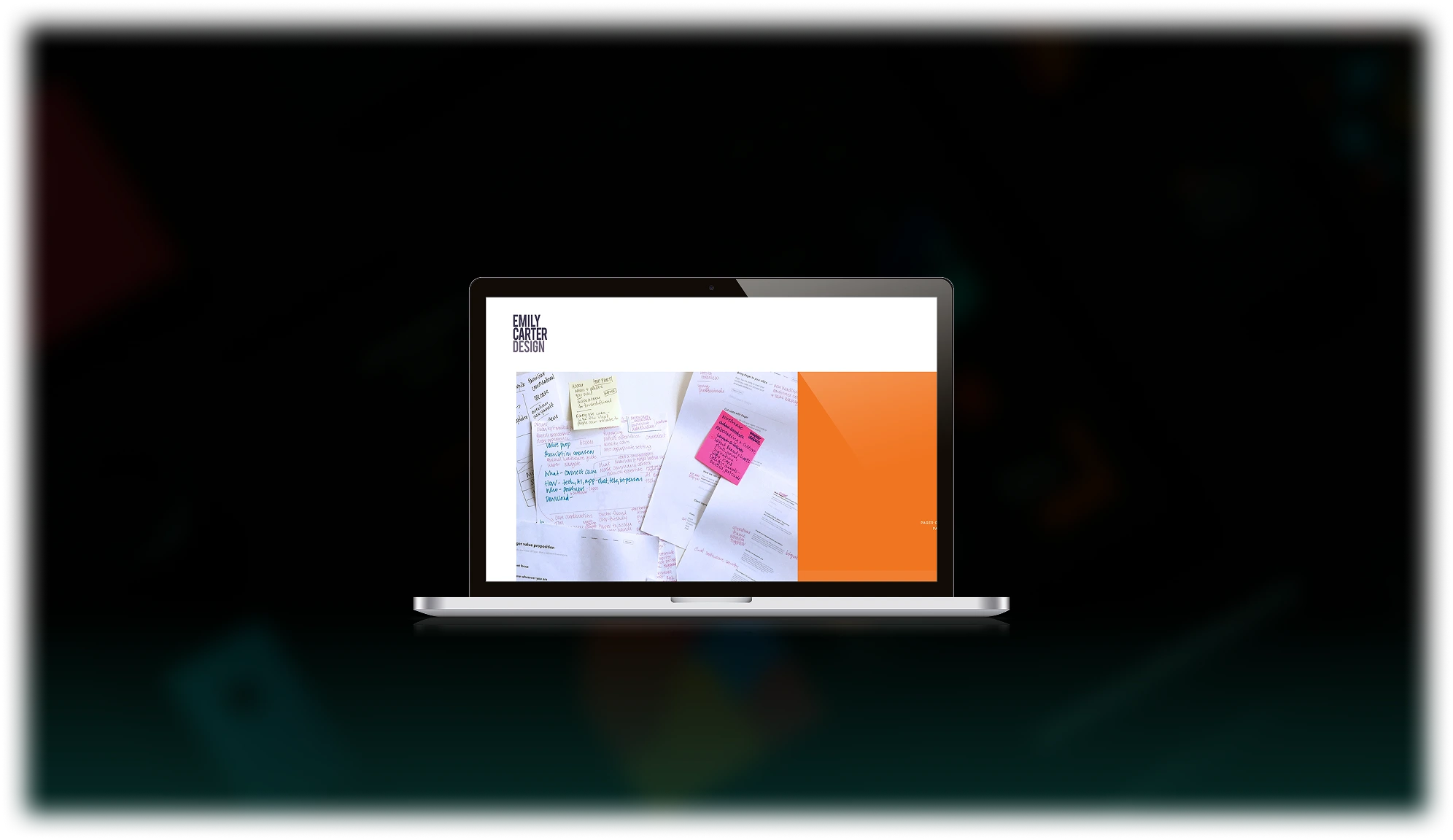
Emily Carter stands out in the world of best UX portfolio examples because she’s fearless about experimenting and sharing her creative side.
Her site is packed with engaging passion projects and bold, unsolicited redesigns; the kind of work that shows she’s not afraid to push boundaries. This makes her an awesome UX portfolio example, often highlighted in modern UX portfolio showcases.
Check it out here: Emily Carter’s Portfolio
Emily’s UX Design Process:
Visual Elements Used:
Business Results:
Emily’s work is a great example of how a UX designer portfolio can blend creativity, curiosity, and professional skill, all key ingredients in today’s best UX portfolios in the design industry.
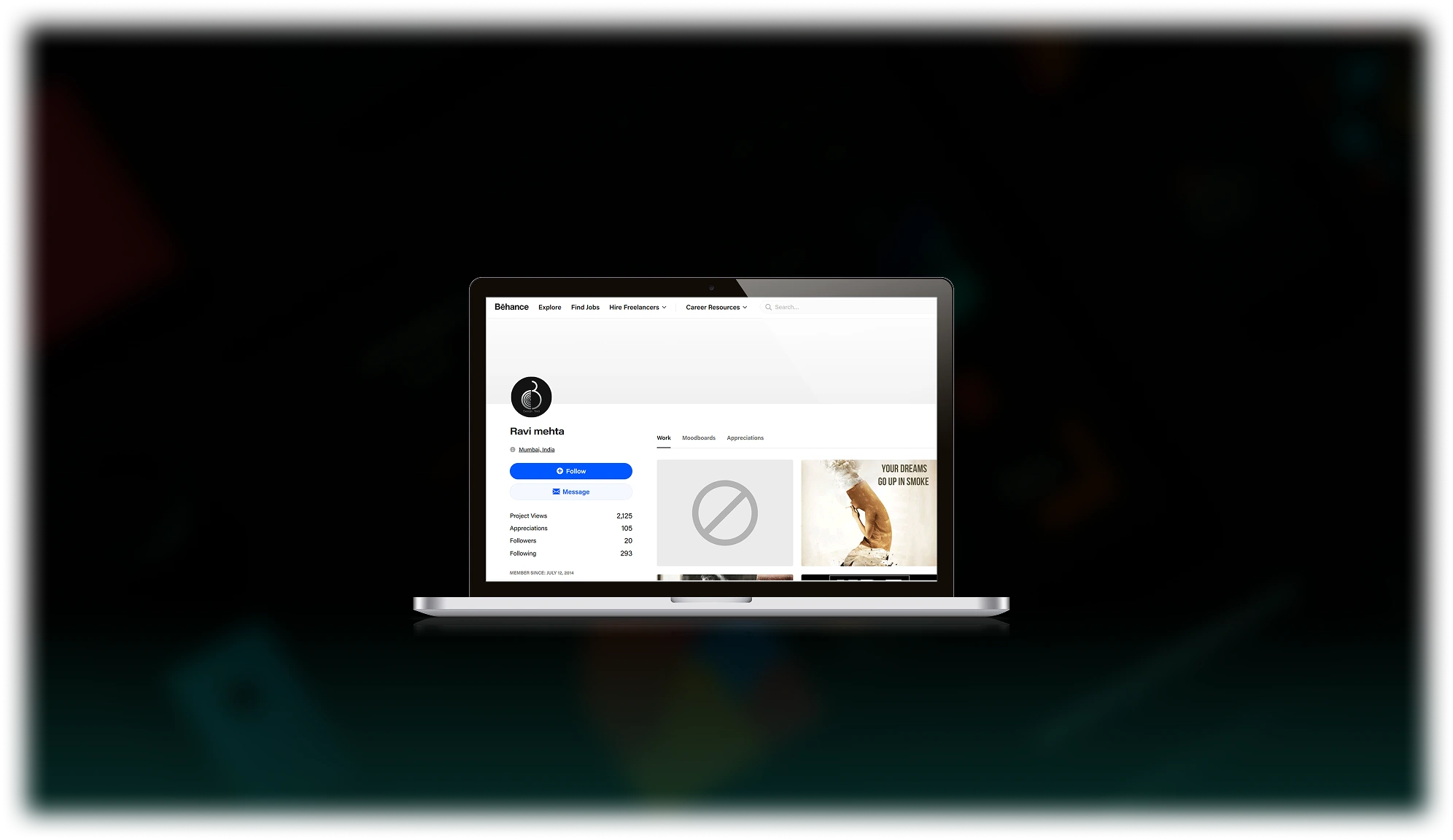
Ravi Mehta has crafted one of the best UX portfolio examples for anyone straddling the line between UX and product designer roles.
His work is a shining UX portfolio example because he blends deep UX thinking with business strategy and visual flair. It’s the kind of site you’ll often see highlighted in UX portfolio showcases for professionals aiming to wear multiple hats.
Explore his work here: Ravi Mehta’s Portfolio
Ravi’s UX Design Process:
Visual Elements Used:
Business Results:
Ravi’s work is a great example of how an experienced UX designer can build a portfolio that speaks to both creative innovation and strategic thinking; a perfect fit among the best UX portfolios you’ll see online.
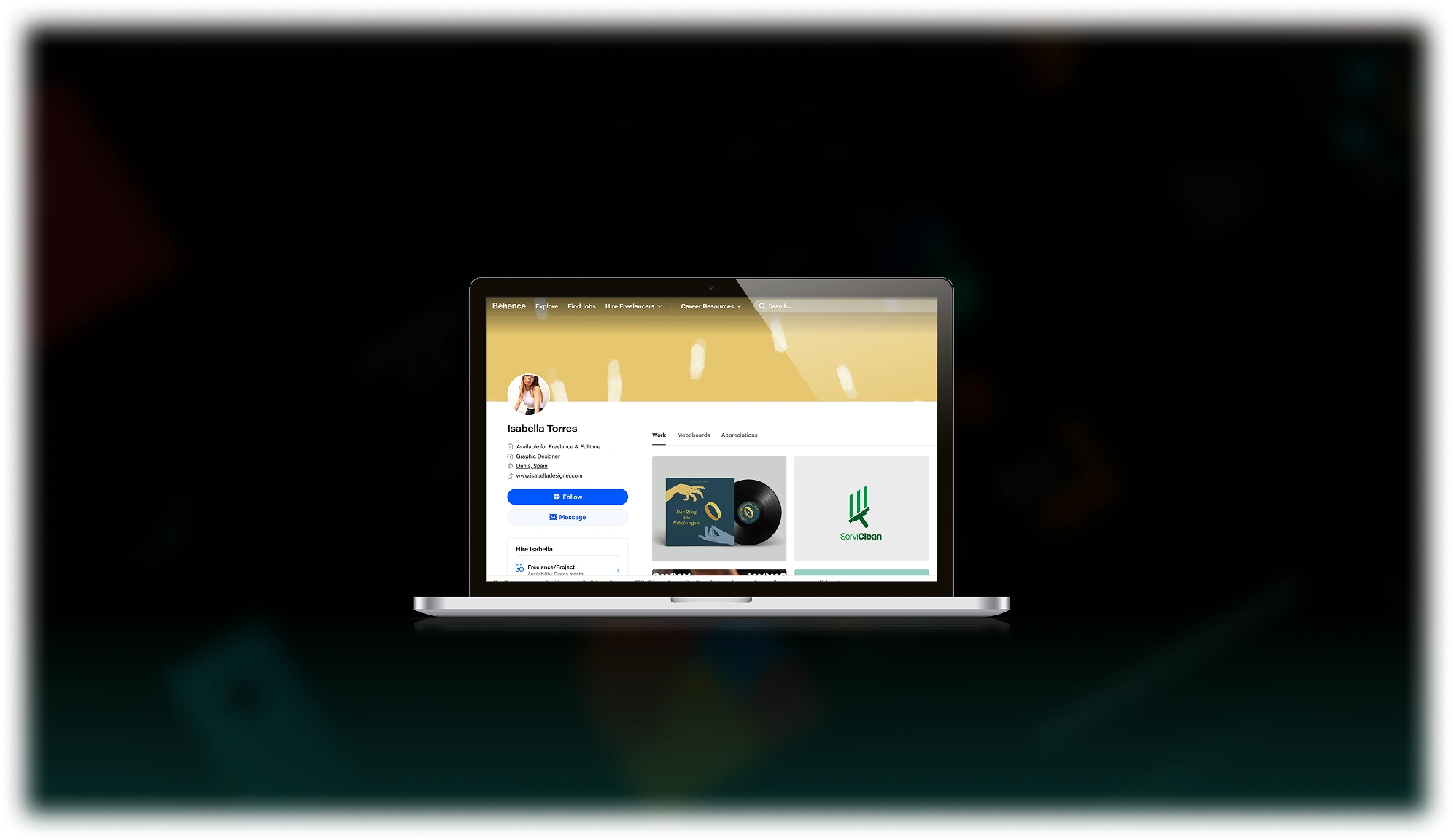
Isabella Torres has built one of the best UX portfolio examples for anyone who believes less is more.
Her portfolio is an awesome UX portfolio example, thanks to its striking use of bold typography paired with a clean, minimalist design. It’s often highlighted in UX portfolio showcases as proof that simplicity can still be powerful and memorable.
Explore her work here: Isabella Torres’ Portfolio
Isabella’s UX Design Process:
Visual Elements Used:
Business Results:
Isabella’s portfolio is a stellar reminder that a UX portfolio doesn’t have to be flashy to be effective, and why it earns a spot among today’s best UX portfolios in the design industry.

Omar Ali has crafted one of the best UX portfolio examples for designers who love data as much as design.
His portfolio stands out because it dives deep into usability testing results and shows how insights translate into real, measurable change. It’s an awesome UX portfolio example and a must-see in modern UX portfolio showcases, especially for anyone who wants to show serious problem-solving chops.
Check it out here: Omar Ali’s Portfolio
Omar’s UX Design Process:
Visual Elements Used:
Business Results:
Omar’s portfolio is a great example of how an experienced UX designer can use hard data to build trust and stand out among the best UX portfolios in the design industry.
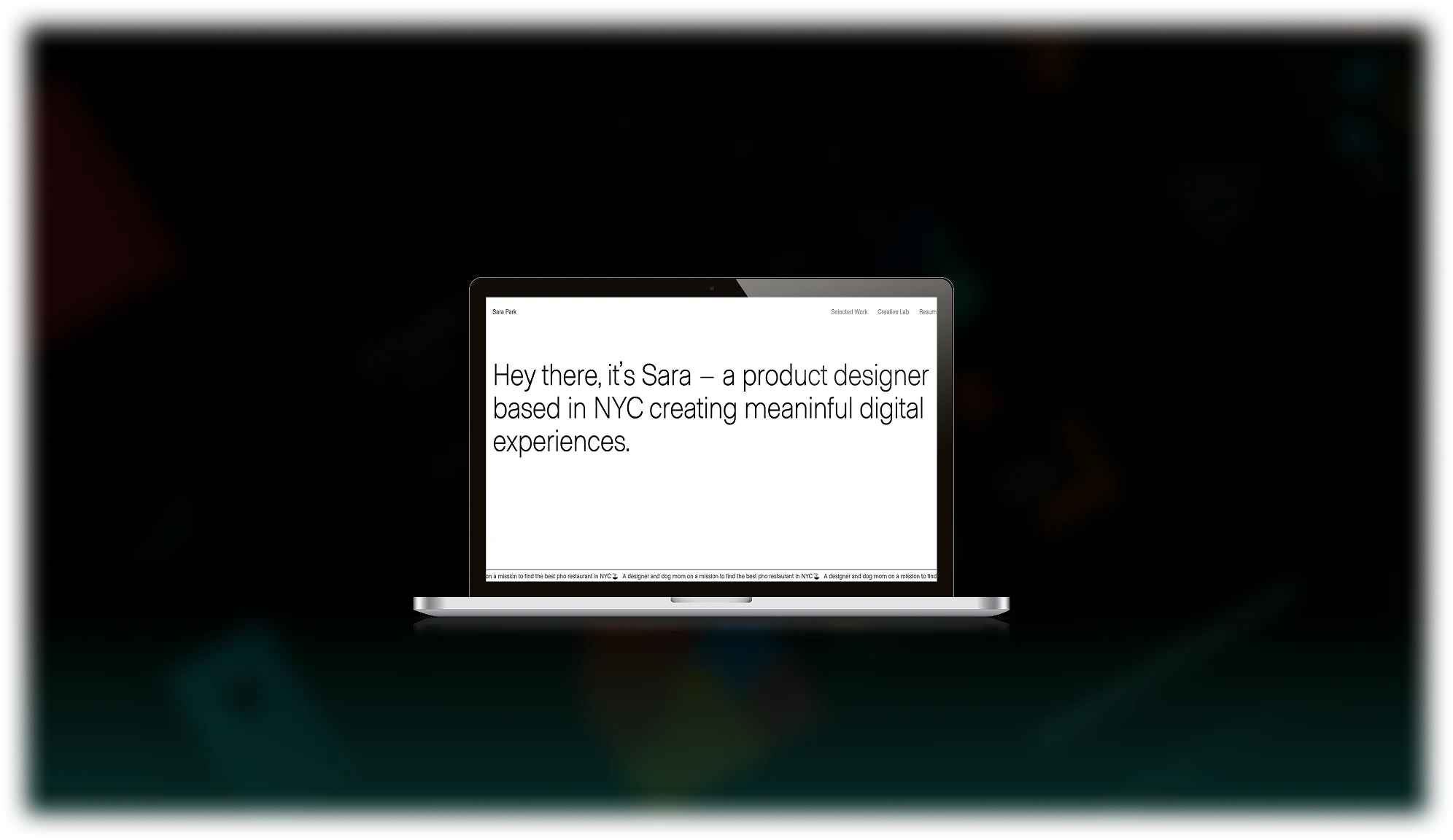
Sarah Park is one of those designers whose work you remember long after you’ve clicked away.
Her portfolio is among the best UX portfolio examples because it’s more than just projects; it’s an experience built around her unique storytelling and strong design philosophy. It’s an awesome portfolio example that regularly pops up in top UX portfolio showcases for designers who want their work to stand out emotionally as well as visually.
Visit her portfolio here: Sarah Park’s Portfolio
Sarah’s UX Design Process:
Visual Elements Used:
Business Results:
Sarah’s site is a shining star among the best UX portfolios in the design industry, reminding us that storytelling can be just as powerful as data when building trust with clients and users alike.
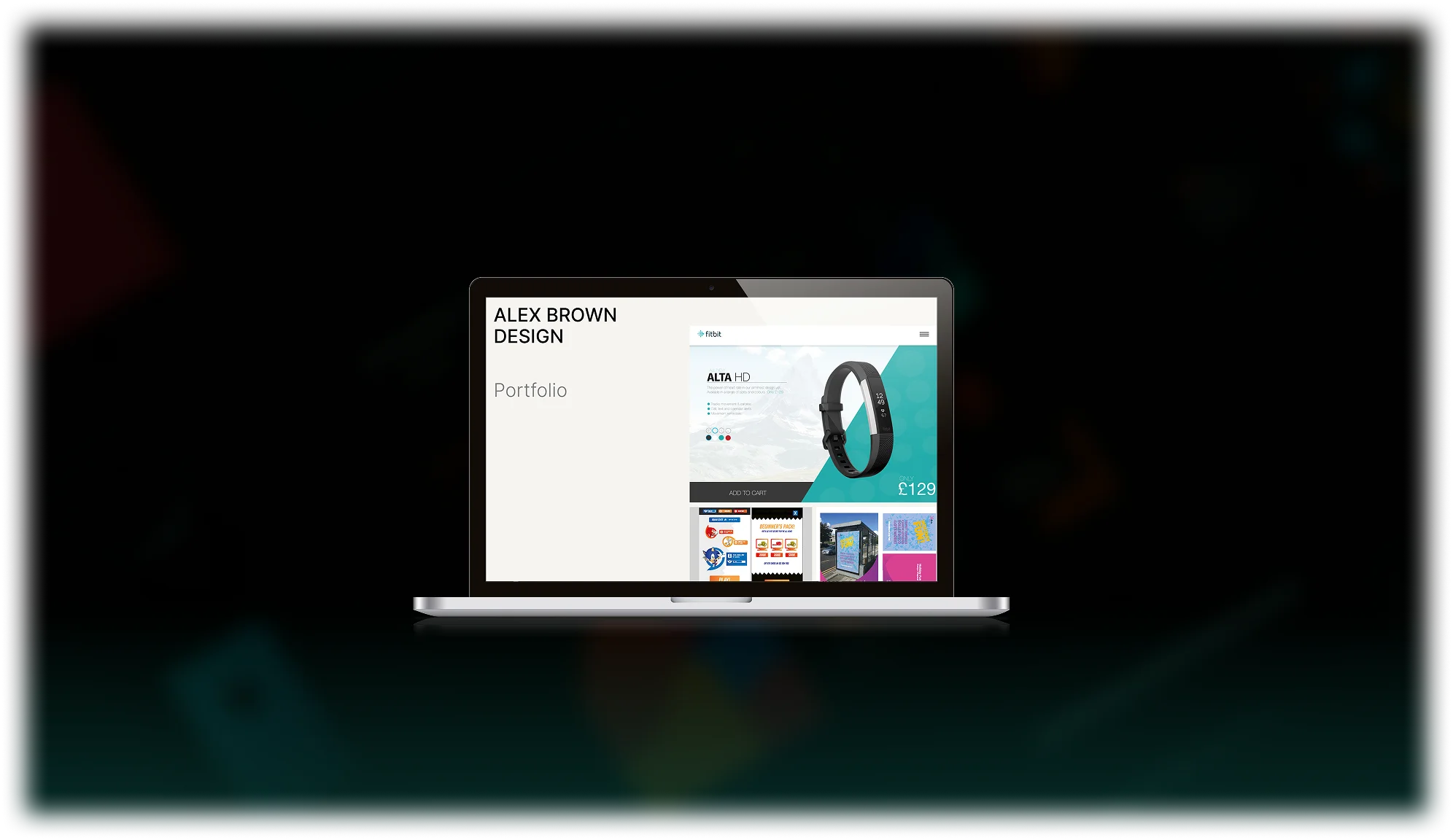
Alex Brown has built one of the best UX portfolio examples for anyone just starting out in UX, and wanting to make a real splash.
His portfolio stands out because it’s the perfect blueprint for a budding UX designer. It’s packed with solid design projects, clear storytelling, and smart choices that prove you don’t need decades of experience to create an awesome portfolio example worthy of modern UX showcases.
Check it out here: Alex Brown’s Portfolio
Alex’s UX Design Process:
Visual Elements Used:
Business Results:
Alex’s portfolio proves that fresh talent can shine just as brightly as seasoned pros, and it’s a true gem among today’s best UX portfolios in the design industry.
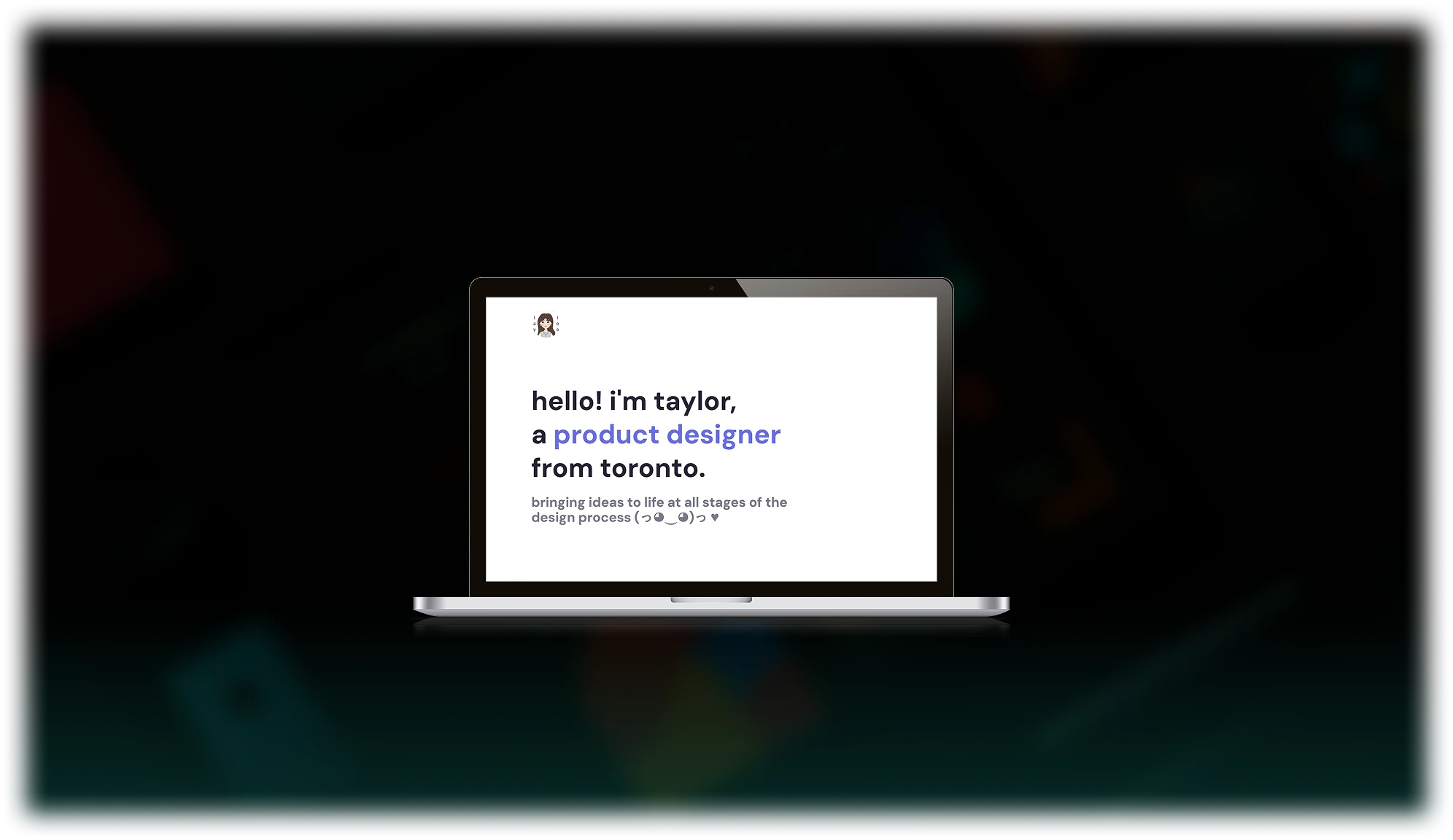
Taylor Lee has built one of the best UX portfolio examples out there for designers who love to make an impression.
Taylor’s portfolio stands out thanks to a strong portfolio stand presence with interactive demos and engaging videos. It’s an awesome example that consistently shows up in top UX portfolio showcases because it pulls you in and makes you want to explore every detail.
Check it out here: Taylor Lee’s Portfolio
Taylor’s UX Design Process:
Visual Elements Used:
Business Results:
Taylor’s work is a great example of how a modern UX portfolio can go beyond static images to create an immersive experience, earning a rightful place among the best portfolios in the design industry.
Sometimes the most inspiring ideas come from looking beyond individual designers.
These standout UX design portfolio examples and use cases from companies and teams show how great design can drive real business results and improve user satisfaction. They’re perfect for studying if you’re aiming for the best UX portfolio examples that blend creativity and strategy.
Phaedra’s portfolio features case studies on projects like an esports tournament platform and a command and control center, showing how a thoughtful UX design process and user research can deliver impressive, measurable outcomes and solve complex business challenges.
Known for beautiful documentation and a crystal-clear design thinking process, Stripe’s UX work demonstrates how user-centric design principles transform fintech products into seamless, trusted experiences.
A true star in UX portfolio showcases, Airbnb’s team excels at combining engaging storytelling, delightful interaction design, and business-driven solutions, proving how design can boost customer retention and brand loyalty.
These examples remind us that the best UX portfolios, whether personal or from big brands, don’t just show screens.
They show how design solves problems and creates value for people and businesses alike.
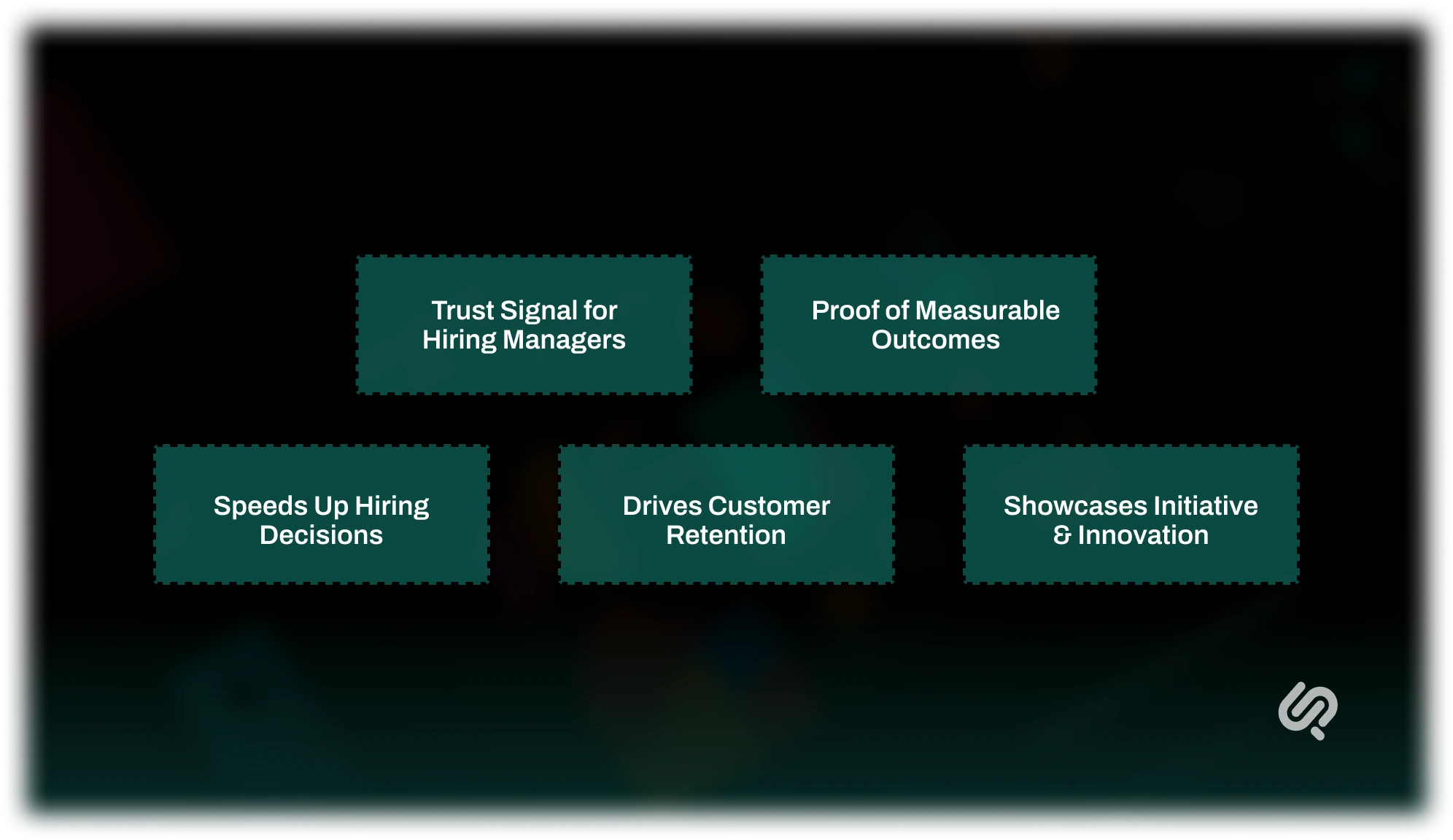
A UX portfolio isn’t just about pretty pictures; it’s a powerful business tool.
For hiring managers, a strong portfolio acts as a trust signal. It shows not only a designer’s UX skills and creativity but also their ability to solve real problems and deliver results that matter to businesses.
When companies review UX portfolios, they’re looking for more than flashy graphics or a beautiful user interface design. They want to see clear UX design principles in action, proof of problem-solving skills, a well-defined design process, and how your choices support real product design and lead to measurable outcomes, such as improved user satisfaction, effective branding, increased engagement, or higher revenue.
And the stakes are high: every dollar invested in UX brings back between $2 and $100 in return. (2)
A solid designer portfolio can speed up hiring decisions because it helps teams quickly spot talent that aligns with their needs. It makes it easier for potential clients and stakeholders to trust that the designer understands both user-centric design principles and business goals.
Beyond getting hired, strong portfolios support customer retention by demonstrating that a designer can create experiences people enjoy using. Case studies showing improvements from usability testing, or boosts in metrics like task completion rates, help businesses see the value in investing in good design.
Even passion projects or unsolicited redesigns can be a great example of initiative and innovative thinking, qualities any company wants on its team.
Even some of the best UX portfolios fall into common traps that can cost designers job offers or new clients.
Knowing these mistakes and how to fix them can help you create a portfolio that stands out for the right reasons and impresses even the toughest hiring managers.
Below are some frequent pitfalls seen in UX portfolios and how to avoid them:
These simple changes can transform a typical portfolio into one of the best examples in any design industry review.
Remember, even passion projects and unsolicited redesigns can shine when backed by clear thinking and measurable outcomes.
Your UX design portfolio is your professional story. Tell it well, and it will open doors.
The world of UX design portfolios keeps evolving, and staying ahead of trends can help your work stand out to hiring managers and potential clients alike.
Here’s a quick look at five trends making waves for UX designers in 2025 and beyond:
Trends come and go, but the core of a great portfolio stays the same: clear thinking, solid storytelling, and proof you can deliver results.
Keep your eye on these shifts, and you’ll be ready to create one of the best UX portfolio examples in the years ahead!
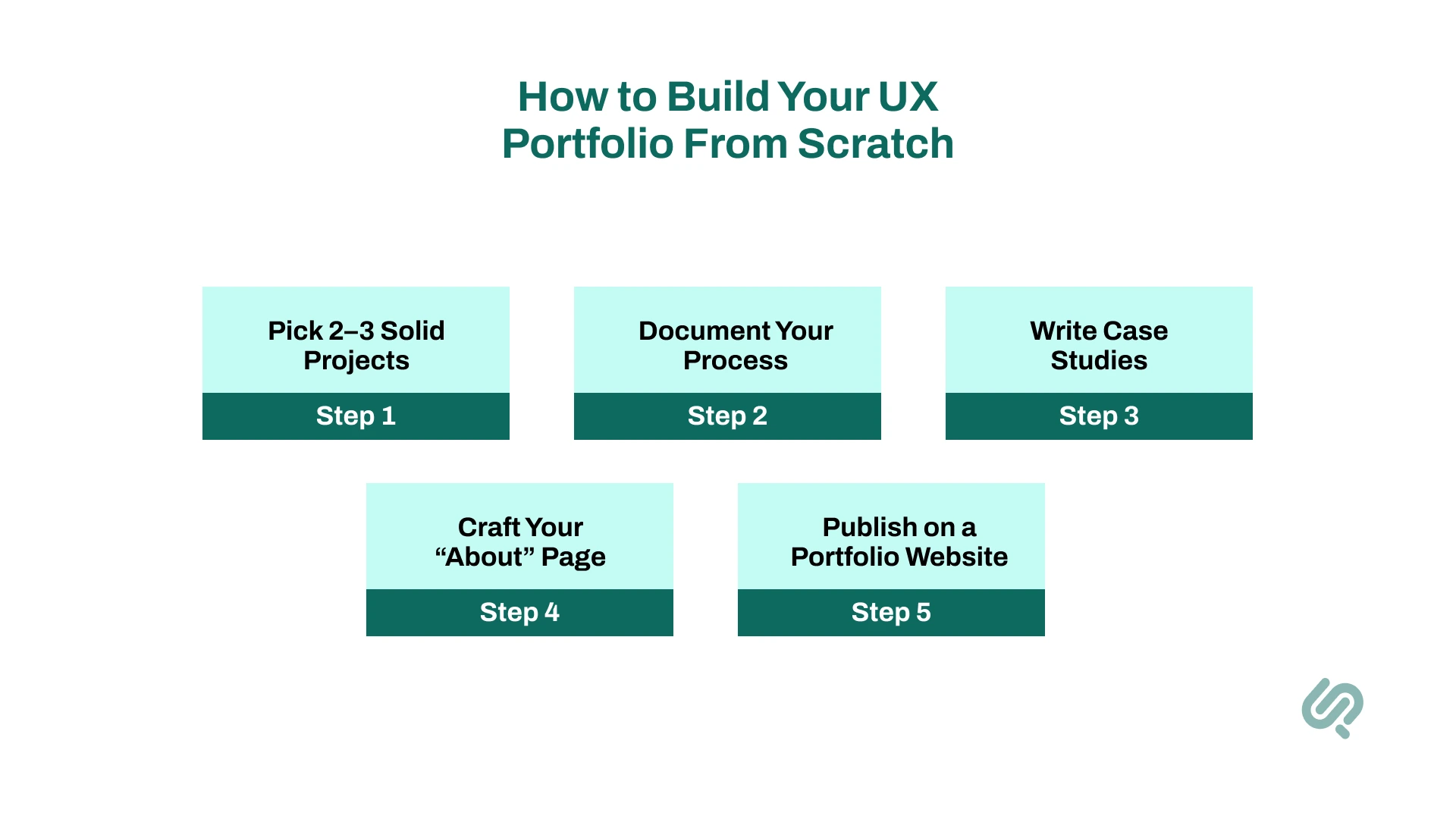
Starting your UX portfolio might feel overwhelming, but every great designer begins somewhere.
Whether you’re a budding UX designer or shifting into a new career, these steps will help you build one of the best portfolio examples piece by piece.
And here’s why it matters: 71% of creative professionals say a strong portfolio is more important than a degree when hiring designers. (3)
Don’t wait for everything to be perfect.
The best portfolios grow over time, so start with what you have and keep improving as you learn and create new design examples.
Choosing the right tools can make building a designer portfolio much easier and way more fun.
Whether you’re a budding designer or aiming for one of the best UX portfolio examples, these platforms help showcase your design skills, case studies, and creative style in professional ways that impress hiring managers and potential clients.
Here’s a quick guide to some top tools to help you build a stunning portfolio:
Remember, even the best portfolios are built one piece at a time. Start simple, focus on clarity, and let your personality shine through your portfolio stand and personal brand.
Your portfolio isn’t just a collection of screens. It’s your product.
It tells the story of how you solve problems, create delightful experiences, and drive real business results.
Whether you’re sharing passion projects, client work, or bold unsolicited redesigns, remember that the best portfolios show both creativity and strategy and connect your designs to measurable outcomes.
The journey to building one of the best UX portfolios takes time.
Keep refining your portfolio website, add new case studies, and stay curious. Even small updates can turn a good designer portfolio into an example that impresses hiring managers and potential clients alike.
Start now. Keep improving.
Your design portfolio is your voice in the design industry; make it unforgettable.



Areesha is a content writer with over 2 years of experience in writing about tech and digital trends. She focuses on topics like AI, remote work, and productivity.
Her blogs have helped startups grow their content reach and improve lead generation. She writes with a focus on clarity, simplicity, and reader value.