







Building A1 DDP - Dubai Silicon Oasis
Industrial Area - 342001 -
Dubai - United Arab Emirates
+971 50 756 2346


SERVICES

COMPANY LINKS
SIGN-UP
For Newsletter


![What Are the Top 50 AI Features and Tools? [Full Breakdown]](https://cdn.prod.website-files.com/61bb26fe53aeb2a18bbd17e4/68f896f9bf7696246111c2a9_Hero%20Image.webp)
Artificial intelligence (AI) is no longer a distant idea. I’s built into the apps and tools we use every day.
Your phone unlocks with face recognition, music apps suggest playlists that fit your taste, and chatbots answer questions instantly. All of this happens because of specific AI features working behind the scenes.
When building new products, the real question isn’t only what you create but which AI features you choose to power it.
Each role and industry looks for something different. Developers want automation to cut repetitive work. Designers need tools to test and prototype quickly. Businesses in healthcare, finance, retail, and e-commerce rely on AI to make smarter decisions and deliver personalized experiences.
In this guide, we’re going to cover 50 important business AI tools and features with real-world examples (like machine learning, deep learning, and natural language processing).
By the end, you’ll know exactly which AI features matter most and how they can bring real impact to your work or business.
Top AI Tools and features include natural language processing, computer vision, and generative AI. These AI technologies help automate tasks, improve decision-making, personalize experiences, and boost business growth.
Choosing the right AI features matters so much. It’s what makes a tool not just useful for today but ready for the future.
The right choices help teams work smarter, spark innovation, and drive long-term growth, turning an ordinary tool into something that fuels real progress.
Here are the top features in modern AI. I’ll explain them in simple language, and you can also check out the information in the table below for a quick view:

Let’s start by looking at the core AI capabilities and techniques.
Machine Learning is when computers learn from past data and improve on their own without being told exactly what to do.
For example, if you feed it emails marked as spam or not spam, it learns to recognize future spam messages.
Over time, it becomes more accurate as it sees more data. Businesses use ML to predict sales, detect fraud, and improve customer experiences.
It’s also used in daily life, like Netflix suggesting movies or banks checking if a loan is risky. ML is the “brain” behind many smart apps.
Examples:
Top tools for Machine Learning: Scikit-learn, AWS SageMaker, Google Cloud AI Platform.
Deep Learning is an advanced type of machine learning that works with “neural networks,” which are inspired by how the human brain works.
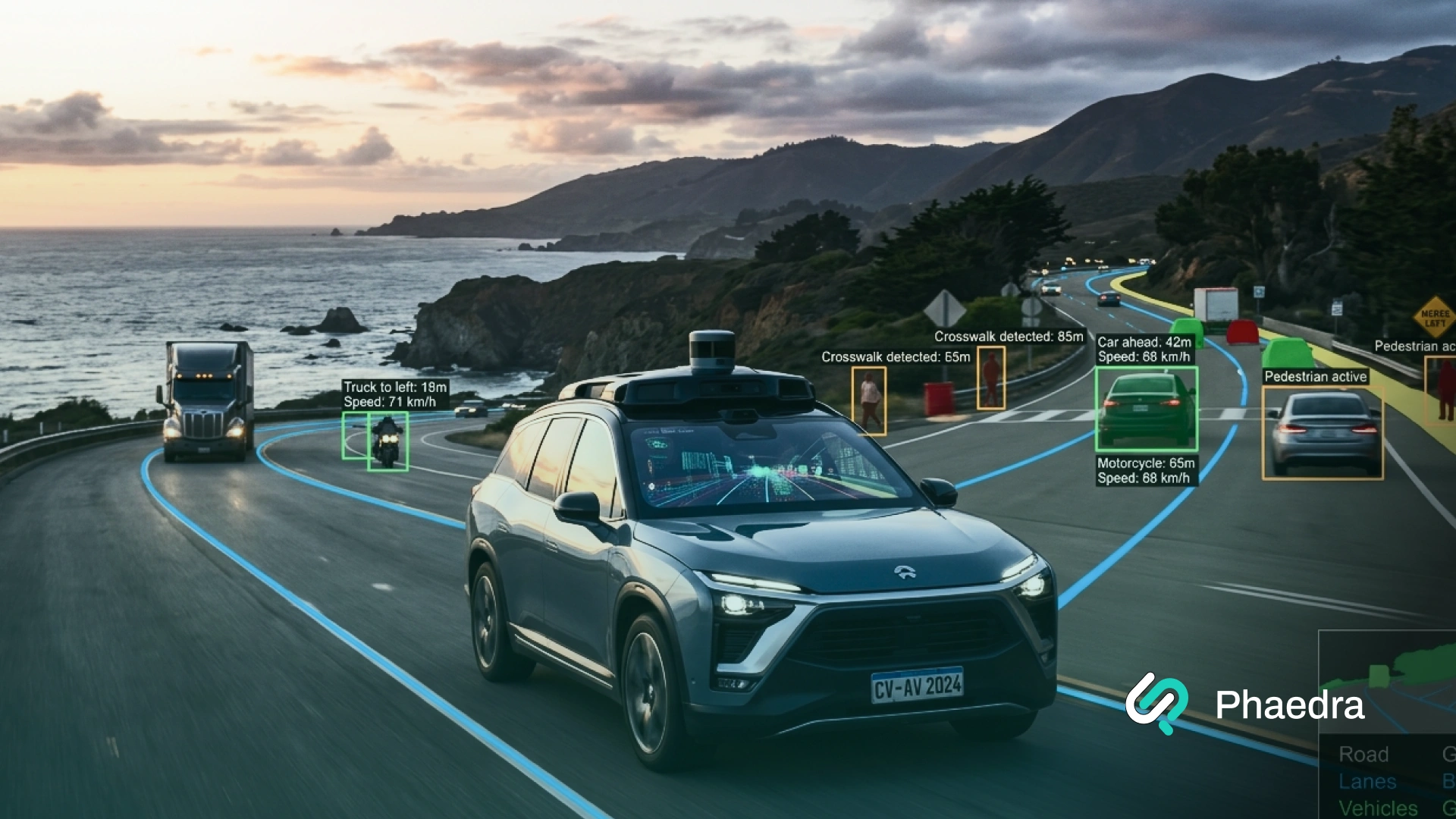
It processes information layer by layer, making it very good at complex tasks. This is what allows self-driving cars to recognize traffic lights or your phone to unlock with Face ID.
It needs a lot of data to perform well, but it gets smarter the more it learns. It’s one of the main reasons AI has become so powerful today.
Examples:
Top tools for Deep Learning: PyTorch, TensorFlow, Keras.
NLP helps computers understand and use human language, both written and spoken. This is why AI can read a sentence, figure out the meaning, and even reply naturally.
It also powers real-time translations, making communication across languages easier.
Businesses use it to read customer reviews and find out what people feel about their products. Without NLP, AI wouldn’t be able to interact with us in everyday language. With advanced NLP-powered tools, users can also humanize AI text to make automated content sound.
Examples:
Top tools for Natural Language Processing: Hugging Face Transformers, spaCy, OpenAI API.
Computer Vision allows machines to “see” and understand pictures and videos. It can recognize faces, objects, or even emotions in a photo.
This technology is used in face unlock on smartphones, in hospitals to detect diseases in X-rays, and in self-driving cars to spot pedestrians or traffic signs.
It helps machines understand the visual world, just like our eyes do. It’s also used in retail stores for security and on social media for tagging friends in photos.
Examples:
Top tools: OpenCV, Google Cloud Vision API, NVIDIA Clara (medical).
Generative AI is about creating new things like images, music, videos, or even articles based on instructions. If you give it a text prompt like “draw a futuristic city,” it can produce unique artwork.
Top tools for Generative AI: DALL·E/Images API, Stable Diffusion, OpenAI GPT family.
Reinforcement Learning is when AI learns by trial and error, just like humans do. It tries different actions, sees the results, and improves based on rewards or punishments.
For example, it helps self-driving cars learn safe driving by practicing in simulations. Robots also use it to learn how to pick things up or play games.
Google’s AlphaGo, which beat human champions, was trained with reinforcement learning. It’s useful for tasks where step-by-step learning is better than simple prediction.
Examples:
Top tools for Reinforcement Learning: OpenAI Gym and DeepMind Lab, RLlib (Ray), TensorFlow Agents, and PyTorch-based frameworks
Predictive Analytics is about using past data to guess what will happen in the future.
For example, airlines use it to predict ticket prices, and hospitals use it to predict which patients might return for treatment.
Online stores like Amazon use it to forecast which products will be in demand. Businesses rely on it to plan better and avoid risks. It saves money, improves customer service, and helps make smarter decisions.
Examples:
Top tools for Predictive Analytics: DataRobot, Alteryx, IBM SPSS Modeler.
Cognitive Computing is AI designed to think and reason like humans. It can analyze large amounts of data, understand context, and suggest solutions.
The idea is to make machines that not only calculate but also “understand” problems in a human-like way.
Examples:
Top tools: IBM Watson, Microsoft Azure Cognitive Services, Google Cloud AI.
Data Analytics is about finding useful information from raw data. For example, Google Analytics shows which pages on a website people visit the most.
Uber analyzes ride requests to decide where drivers should go. Retailers use it to figure out which products sell more during certain seasons.
It helps businesses make decisions based on facts instead of guesses. Data analytics is like turning messy numbers into clear insights that guide smarter choices.
Examples:
Top tools for Data Analytics: Tableau, Power BI, Google BigQuery.
Automated Reasoning and Planning allows AI to solve problems and create step-by-step plans to reach a goal.
Smart homes use it to plan energy use, like running appliances at cheaper times.
It’s about giving machines the ability to think ahead and organize actions logically, which saves time and improves efficiency.
Examples:
Top tools for Automated Reasoning and Planning: PDDL planners (FastDownward), IBM ILOG CPLEX (planning/optimization), OR-Tools (Google).
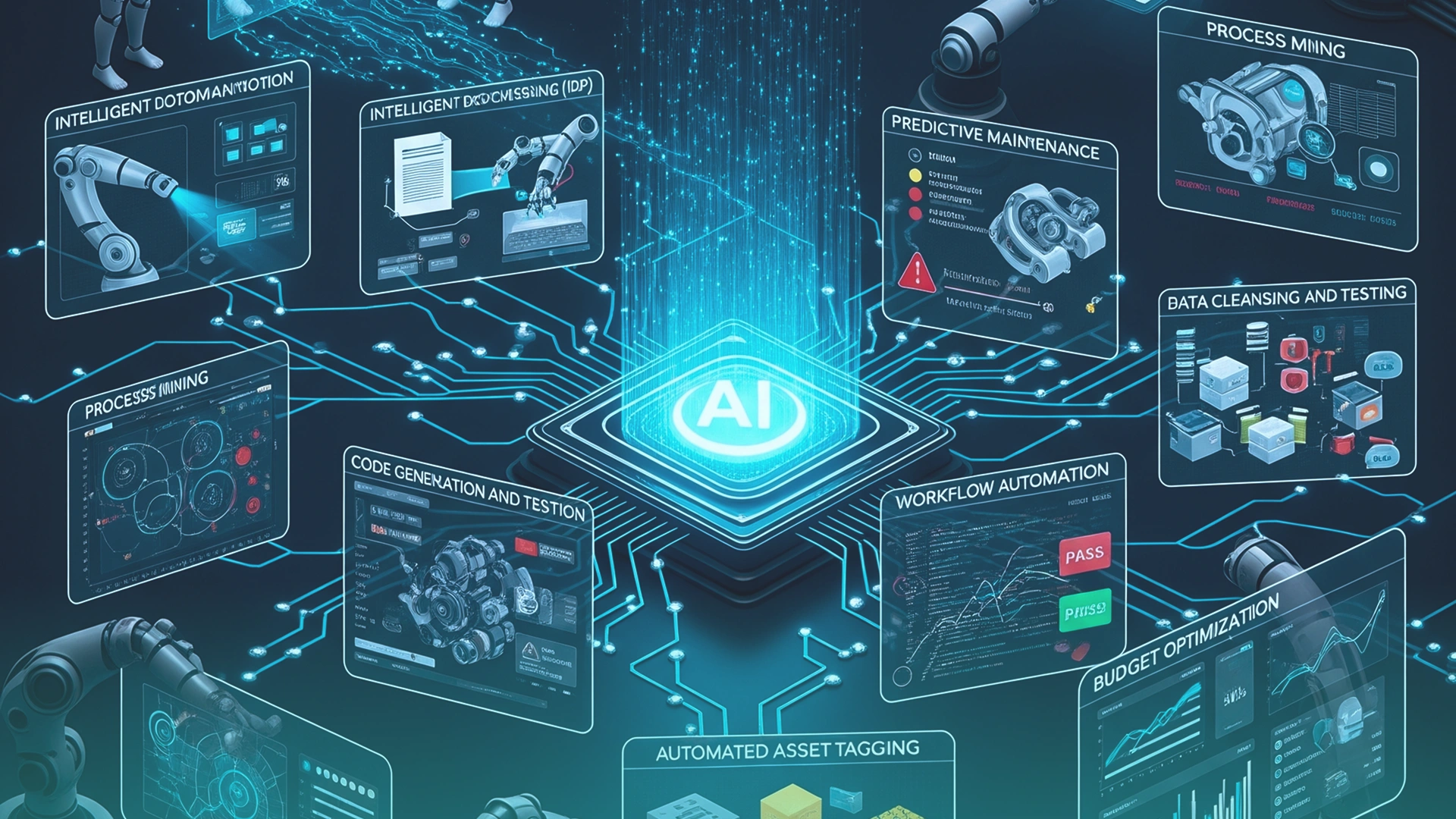
Now, let’s dive into 10 of the most useful automation and efficiency features:
Intelligent Automation combines AI with automation to handle complex tasks from start to finish. Unlike simple automation, it can make decisions along the way.
For example, banks use it to approve loans faster by analyzing customer data. In healthcare, it helps schedule appointments and manage records.
Insurance companies use it to process claims quickly. It reduces errors, saves time, and allows humans to focus on important work.
Examples:
Top tools for Intelligent Automation: UiPath (with AI Fabric), Automation Anywhere IQ Bot, Microsoft Power Automate + AI Builder.
RPA uses software “robots” to do repetitive office tasks automatically. These tasks include entering invoices, updating employee records, or handling customer requests.
It doesn’t get tired or make mistakes like humans. For example, telecom companies use RPA to process SIM registrations, and HR departments use it to update databases.
It makes organizations faster and more efficient by removing boring manual work.
Examples:
Top tools for Robotic Process Automation: UiPath, Automation Anywhere, Blue Prism.
IDP allows AI to read and understand documents such as invoices, forms, or medical records. Instead of employees manually typing data, the system scans, extracts, and organizes it.
For example, banks use it for processing loan forms, while hospitals use it for patient data. Government offices use it to speed up paperwork.
This saves time, reduces errors, and makes handling large amounts of documents easier.
Examples:
Top tools for Intelligent Document Processing: ABBYY FlexiCapture, Kofax, Google Document AI.
Process Mining helps businesses see how their work actually flows by analyzing system data. It can find delays, bottlenecks, or wasted steps.
For example, banks use it to see where loan approvals get stuck, and factories use it to check why production slows down.
Telecom companies use it to improve customer service speed. It helps organizations improve efficiency by showing the real picture of how work happens.
Examples:
Top tools for Process Mining: Celonis, UiPath Process Mining, Disco (Fluxicon).
Predictive Maintenance uses AI to predict when machines or equipment might fail. Instead of waiting for a breakdown, it warns in advance so repairs can be done early.
Airlines use it to check aircraft parts, and factories use it to monitor machines.
Wind farms use it to ensure turbines keep working properly. This reduces costs, avoids accidents, and increases reliability.
Examples:
Top tools for Predictive Maintenance: Siemens MindSphere, IBM Maximo with Predictive Insights, PTC ThingWorx.
Workflow Automation connects different apps and tasks so work happens automatically.
For example, when a customer fills a form online, it can instantly update the CRM, send an email, and notify the sales team without human effort.
E-commerce businesses use it to process orders smoothly. Marketing teams use it to approve campaigns faster. It saves time and ensures important steps aren’t missed.
Examples:
Top tools for Workflow Automation: Zapier, Make (Integromat), Microsoft Power Automate.
This feature helps developers by automatically suggesting code or testing software for errors.
For example, GitHub Copilot suggests useful code snippets while programmers type. Testing tools also create test cases to check if the software works properly.
It speeds up development, reduces bugs, and helps even beginners write better programs. Businesses benefit from faster and more reliable software delivery.
Examples:
Top tools for Code Generation and Testing: GitHub Copilot, Tabnine, Snyk Code.
Data Cleansing ensures information is clean, correct, and ready for analysis.
For example, it removes duplicate customer records, fixes spelling mistakes, or organizes messy medical data.
Companies need clean data to make accurate decisions. Without this, results could be wrong or misleading. It’s an essential step before using AI or analytics for predictions.
Examples:
Top tools for Data Cleansing and Preparation: Trifacta (Databricks), Talend, OpenRefine.
This is when AI automatically labels or categorizes content like photos, videos, or files. For example, YouTube auto-tags videos so they are easier to find.
Pinterest uses it to tag uploaded images with keywords. Businesses use it to manage digital assets quickly.
It saves hours of manual tagging and makes the search faster and more accurate.
Examples:
Top tools for Automated Asset Tagging: AWS Rekognition, Google Vision AutoML, Cloudinary.
AI helps businesses spend money wisely by adjusting budgets automatically.
For example, Google Ads shifts spending to the best-performing campaigns. E-commerce sites use it to decide how much discount to give on sales.
Retailers use it during holidays to make sure money goes to the right products. This ensures better return on investment and avoids wasted spending.
Examples:
Top tools for Budget Optimization: Google Ads Performance Max (auto-budget), Optmyzr, AdRoll (budget optimization features).
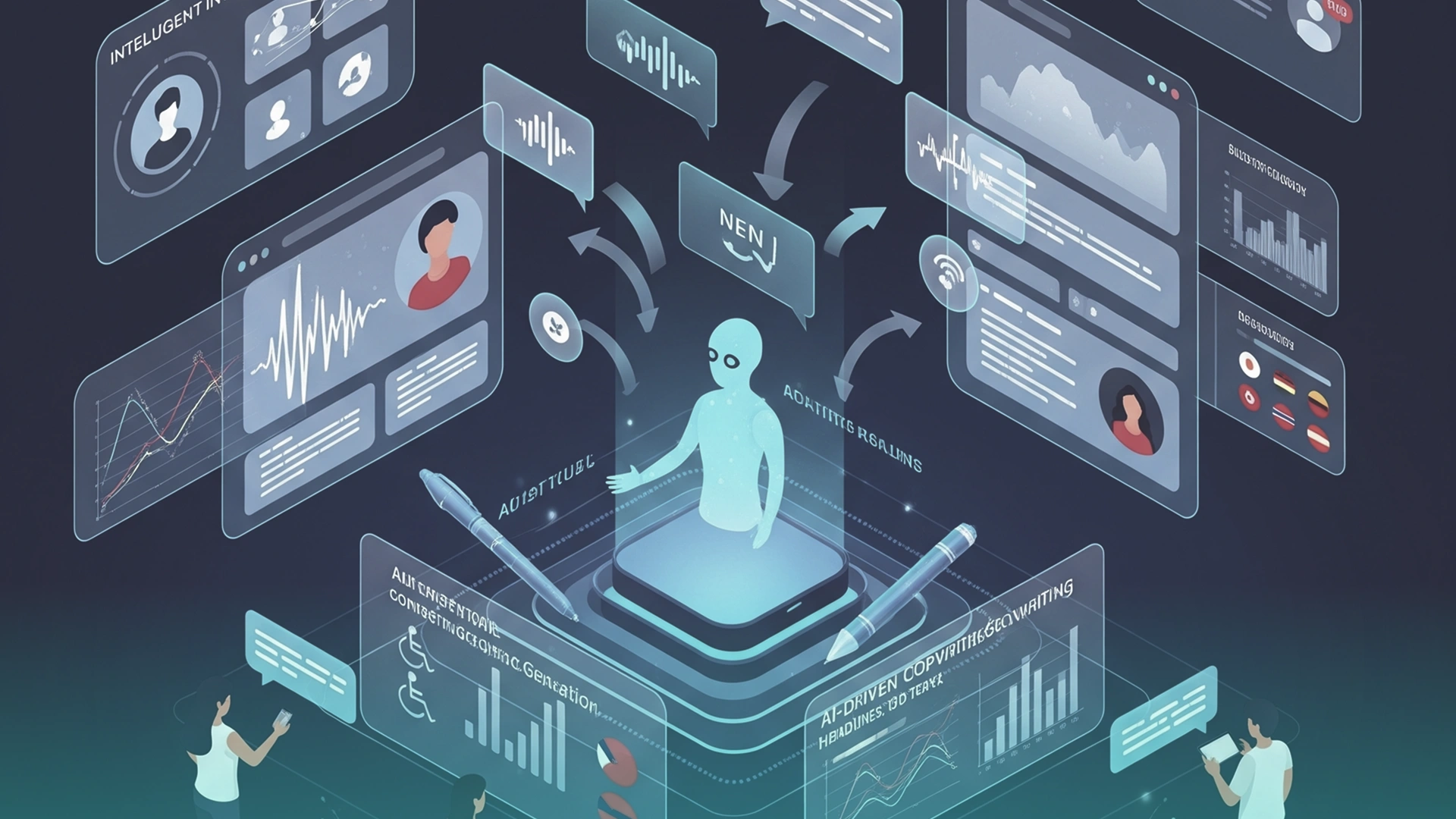
Next in line, we have the AI user experience and personalization features:
AI studies your behavior and suggests things you may like.
For example, Netflix shows movies similar to what you’ve watched, and Amazon recommends products you often buy.
Spotify creates custom playlists for your taste. Businesses use this to increase customer satisfaction and sales. It feels like a personal assistant that knows your preferences.
Examples:
Top tools: Amazon Personalize, Recombee, Algolia Recommend.
NLU helps AI understand the real meaning behind words, not just the words themselves.
For example, when you say “Book a flight for tomorrow,” AI understands you want tickets, not to read a book.
It also handles follow-up questions like “Make it evening.” This is why Siri, Alexa, and Google Assistant can respond naturally. It makes AI more human-like in conversations.
Examples:
Top tools for Natural Language Understanding: Rasa NLU, Google Dialogflow, Microsoft LUIS.
Intelligent Interfaces adapt based on the user.
For example, smart dashboards can show different data to a manager and a team member.
E-learning platforms adjust quizzes depending on your performance. Fitness apps change workout plans based on your progress. It makes apps feel more personalized and user-friendly, improving the overall experience.
Examples:
Top tools for Intelligent Interfaces: Figma plugins + AI (FigJam generation), UXPin Merge (with AI), Adobe Experience Manager (personalization).
VUI allows people to talk to machines using voice commands.
For example, Alexa can control lights and music, and Google Maps gives you directions through voice. Cars also use it for hands-free controls.
This makes interaction easier, especially for people who can’t use keyboards. It’s fast, natural, and widely used in smart homes.
Examples:
Top tools for Voice User Interface: Amazon Alexa Skills Kit, Google Assistant SDK, Microsoft Speech SDK.
Chatbots are AI helpers that answer questions or do tasks without humans. For example, airlines use them to change bookings, and banks use them to answer account queries.
Online stores use them for customer service 24/7. Virtual assistants like Siri or Google Assistant can do more complex tasks like setting reminders.
They save time and make services available anytime.
Examples:
Top tools for AI Chatbots and Virtual Assistants: Intercom (with Resolution Bot), Drift, Zendesk Answer Bot.
AI makes technology easier for people with disabilities. For example, Microsoft’s Seeing AI describes surroundings to blind users.
YouTube creates auto-captions for videos, and Google’s Live Transcribe helps deaf users follow conversations.
Screen readers are smarter with AI, making digital content accessible for all. This improves inclusivity and independence for many people.
Examples:
Top tools for Accessibility Features: Microsoft Seeing AI, Google Live Transcribe, Apple VoiceOver (with ML enhancements).
AI can write text for ads, blogs, or product descriptions.
For example, Jasper or Copy.ai creates marketing content in seconds. Businesses use it to save time and keep content fresh.
Writers use it as inspiration or to speed up work. It makes content creation easier, especially when large amounts of text are needed quickly. To make AI-generated text sound more natural and human-like, many creators use tools like AI Humanizer.
Examples:
Top tools for AI-driven Copywriting: Jasper, Copy.ai, Writesonic, SurferSEO
AI makes it possible to translate speech or text instantly.
For example, Google Translate lets people from different countries have live conversations. Zoom and Skype also offer live translated captions.
This breaks language barriers in travel, business, and education. It helps people communicate globally without needing a human translator.
Examples:
Top tools: DeepL, Google Translate (Conversation mode), Microsoft Translator Live.
Dynamic Content Generation changes what you see based on who you are.
For example, websites adjust banners or ads depending on your browsing history. Emails may have personalized subject lines for each reader. Klaviyo email templates make this personalization even easier by allowing marketers to create dynamic, data-driven campaigns that automatically tailor content to each recipient’s preferences and behavior. Social media ads create multiple versions automatically. It makes marketing more relevant and effective.
Examples:
Top tools: Dynamic Yield, Optimizely, Monetate.
Sentiment Analysis helps AI understand emotions in text, such as whether a comment is positive, negative, or neutral.
For example, companies analyze Twitter posts to see how people feel about their products. Hotels check online reviews for guest satisfaction.
Businesses use this to improve services and customer relationships. It’s like AI reading between the lines to detect mood.
Examples:
Top tools: Amazon Comprehend, Microsoft Text Analytics, Lexalytics.
Furthermore, we have the data analysis and security features:
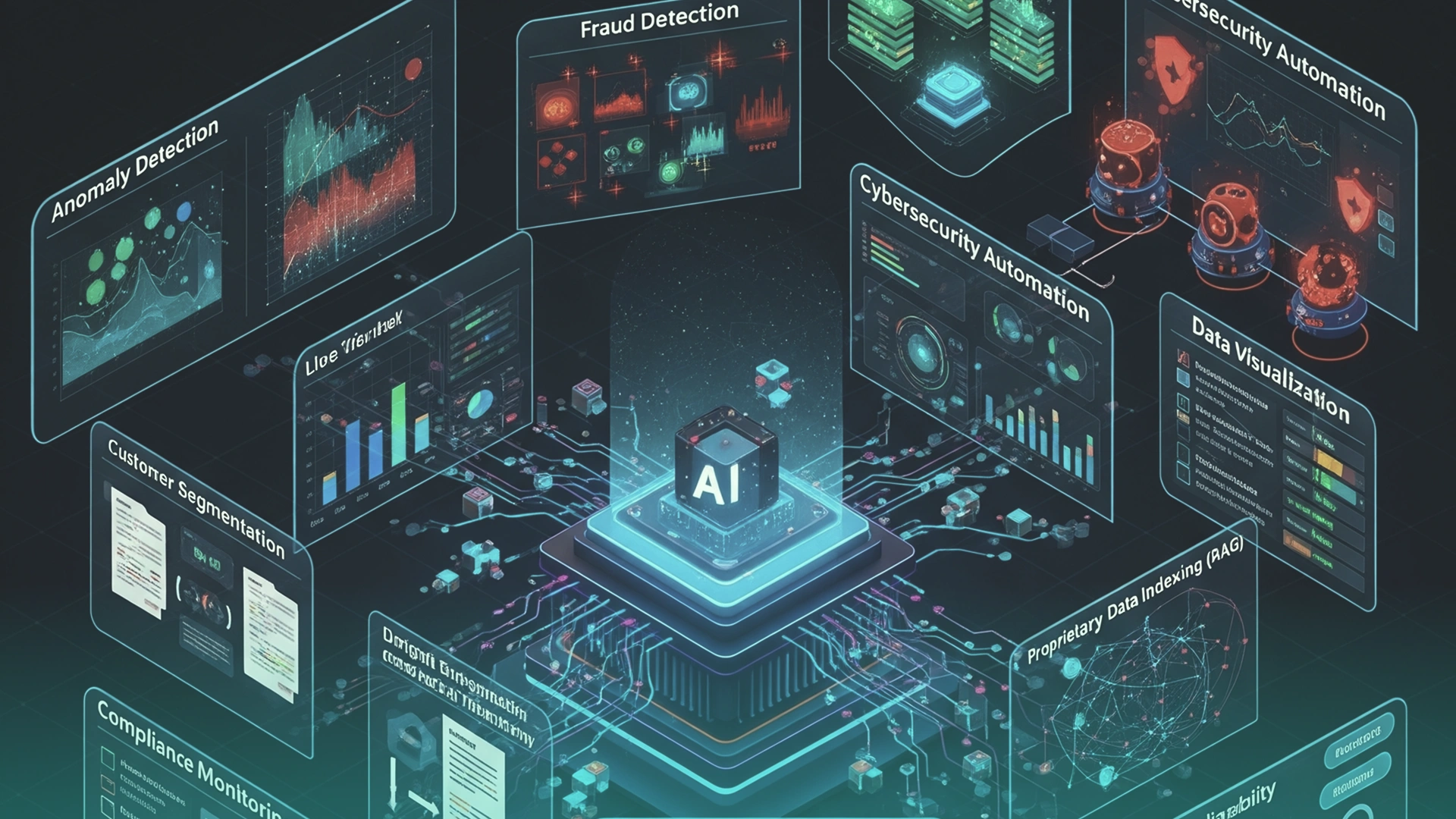
Anomaly Detection spots unusual patterns that don’t fit normal behavior.
For example, a bank can see if a card is suddenly used in another country, or a cloud service can detect strange login attempts.
Retailers use it to notice sudden spikes or drops in sales. It’s like a digital alarm system that warns when something seems off. This helps prevent fraud, errors, and system failures.
Examples:
Top tools for Anomaly Detection: Anodot, Splunk ITSI, Amazon Lookout for Metrics.
Fraud Detection uses AI to catch cheating or fake activities in real time.
For example, PayPal blocks suspicious payments, and banks flag false loan applications. Credit card companies track unusual spending patterns to prevent theft.
Online stores use it to stop fake purchases or returns. It helps protect money, businesses, and customers from scams.
Examples:
Top tools for Fraud Detection: FraudLabs Pro, Sift, Riskified.
Cybersecurity Automation uses AI to protect systems automatically. It can scan internet traffic, detect malware, and block dangerous activity instantly.
For example, companies use it to stop hackers before they cause damage. Tools like Darktrace monitor networks 24/7.
This reduces the need for manual checks and keeps data safe in real time.
Examples:
Top tools for Cybersecurity Automation: CrowdStrike Falcon, Palo Alto Networks Cortex XDR, Darktrace.
Customer Segmentation is when AI groups people based on behavior or preferences.
For example, Amazon groups shoppers by buying habits, and Spotify sorts listeners by music taste.
Airlines separate travelers into frequent flyers or occasional users. Businesses use this to target the right products to the right people. It makes marketing smarter and more personalized.
Examples:
Top tools for Customer Segmentation: Segment (Twilio), Amplitude, Kissmetrics.
Data Visualization turns complex numbers into easy-to-read charts, graphs, and dashboards.
For example, Tableau and Power BI show business trends in visuals. Google Data Studio helps marketers track website visitors in colorful reports.
This makes it simple to understand performance at a glance. It helps leaders make decisions faster and with more clarity.
Examples:
Top tools for Data Visualization: Tableau, Power BI, Looker.
This feature helps AI read long texts or conversations and summarize them into short, useful insights.
For example, a paragraph shortener can summarize meeting notes, and Notion AI creates quick summaries of documents.
Businesses use it to quickly review customer chats or reports. It saves time and ensures nothing important is missed.
Examples:
Top tools for Insight Extraction and Summarization: OpenAI GPT models, Notion AI, Narrative Science Quill.
RAG (Retrieval-Augmented Generation) lets AI search through private company data to give accurate answers.
For example, law firms use it to find details in legal documents, and customer support bots use it to answer questions from internal manuals.
It makes chatbots more useful by connecting them to company knowledge bases. Businesses save time by getting fast, accurate answers from their own data.
Examples:
Top tools for Proprietary Data Indexing: LangChain (RAG stacks), Pinecone (vector DB for RAG), Weaviate.
Vector Indexing organizes data in a way that helps AI find similarities quickly.
For example, Spotify uses it to group songs that sound alike, and search engines use it to show related images.
Online shops use it so customers can find “similar items” when shopping. It makes searching smarter because it looks at meaning, not just exact words.
Examples:
Top tools for Vector Data Indexing: FAISS (Facebook), Pinecone, Milvus.
Compliance Monitoring helps businesses follow laws and rules automatically.
For example, banks track financial regulations, and hospitals monitor patient privacy laws like HIPAA. HR teams use it to ensure hiring is fair.
AI can scan policies, flag risks, and create reports. This reduces legal problems and keeps companies safe from penalties.
Examples:
Top tools for Compliance Monitoring: OneTrust, ComplyAdvantage, LogicGate.
AI Governance makes sure AI systems are fair, transparent, and trustworthy. Explainability means AI can show why it made a decision.
For example, a bank must explain why a loan was rejected, or a hospital must show why AI suggested a treatment.
This builds trust between people and machines. Businesses also use it to follow regulations and avoid bias.
Examples:
Top tools for AI Governance and Explainability: IBM OpenScale, Google Cloud Explainable AI, Fiddler AI.
Next, let’s dive into 10 of the creative and cognitive AI features that are a must-have:
This AI creates new images or videos from text prompts.
For example, DALL·E can draw unique pictures, and Runway can edit videos with AI. Artists and businesses use it to design ads, social posts, and digital art quickly.
It saves time, reduces costs, and opens new creative possibilities. Instead of hiring large teams, companies can generate visuals in minutes.
Examples:
Top tools for Generative Image and Video Creation: DALL·E, Runway, Stable Diffusion.
AI Agents are smart systems that can complete tasks independently, with little to no human help.
They plan steps, use tools, and make decisions on the fly. A typical AI agent workflow includes understanding the task, choosing the right tools, taking actions, learning from results, and repeating the process.
In customer service, AI agents can resolve tickets from start to finish. In e-commerce, AI tools help automate ad campaigns, including audience targeting and budget allocation. These agents act like digital workers, handling routine jobs so humans can focus on bigger things.
Examples:
Top tools for AI Agents: LangChain (agent frameworks and tool integration), Microsoft Power Virtual Agents (enterprise-grade customer service bots), Salesforce Einstein Bots (AI for customer workflows), ChatGPT + API tools (custom agents for business automation)
This feature allows AI to improve itself over time by learning from its mistakes and user feedback.
For example, chatbots give better answers after user corrections, and robots adjust their grip after failed attempts.
Recommendation systems also get smarter as more people click on suggestions. It's like AI growing and learning, just like humans do, to provide better results.
The key to this process is not just the AI model itself, but the MLOps (Machine Learning Operations) tools that manage the feedback loop. These platforms monitor model performance and help engineers retrain the AI with new data, ensuring continuous improvement.
Examples:
Top tools for Self-reflection and continuous learning: MLflow (for model lifecycle management), Neptune.ai (for experiment tracking and monitoring), Weights & Biases (for continuous model improvement), Ray RLlib (for real-time reinforcement learning).
A Digital Twin is a virtual copy of a real object or system.
For example, factories create twins of machines to test performance, and airlines use them to monitor jet engines.
Smart cities build twins of roads and traffic systems to improve planning. This helps companies test ideas virtually before applying them in real life, saving money and reducing risks.
Examples:
Top tools for Digital Twinning: Siemens Xcelerator (digital twin), GE Digital Predix, PTC ThingWorx.
Knowledge Representation means storing information in a way AI can use it to answer questions.
For example, Google’s Knowledge Graph connects facts about people, places, and things. IBM Watson organizes medical knowledge for doctors. Wolfram Alpha uses it for science and math queries.
It makes AI smarter by letting it reason using stored facts.
Examples:
Top tools for Knowledge Representation: Neo4j (graph DB), RDF/OWL stacks, Google Knowledge Graph APIs.
AI can be creative by generating art, music, or even fashion designs. For example, it can write movie scripts, design clothes, or compose original songs.
Tools like MidJourney and Adobe Firefly help businesses and artists experiment with ideas faster. It inspires humans by offering fresh designs or concepts they may not have thought of.
Creativity is no longer limited to humans alone.
Examples:
Top tools for Creativity: MidJourney, Adobe Firefly, Runway.
Emotion Recognition helps AI read human feelings through facial expressions, voice, or text.
For example, cars can detect if a driver looks sleepy, and call centers can sense customer frustration.
Marketing companies use it to see how people react to ads. This helps businesses respond more empathetically and create better experiences.
Examples:
Top tools for Emotion Recognition: Affectiva, Microsoft Azure Emotion APIs (Cognitive Services), Realeyes.
AI runs digital experiments to predict outcomes without real-world risks.
For example, scientists simulate weather conditions, and drug companies model how new medicines might work.
Car makers use it to test crash scenarios virtually. It helps save costs, reduce risks, and speed up innovation. Simulations make planning safer and smarter.
Examples:
Top tools: AnyLogic, Simul8, GROMACS (for molecular sims).
This AI helps designers create quick prototypes of websites, apps, or products.
For example, Figma plugins or Canva can generate layouts instantly. Adobe tools can turn sketches into working prototypes.
This allows designers to test ideas faster and get feedback quickly. It reduces the time needed to move from concept to reality.
Examples:
Top tools for AI-driven Design Prototyping: Figma (with AI plugins), Uizard, Adobe XD + AI plugins.
AI makes search engines smarter by understanding context and intent.
For example, Google AI knows whether you’re looking for a recipe or a restaurant. Bing and You.com provide conversational results instead of just links.
Businesses use AI search to help customers find products more easily. It improves accuracy and saves time by delivering what users really mean.
Examples:
Top tools for AI-enhanced Search: Elasticsearch (with vectors), Algolia (with semantic features), Microsoft Azure Cognitive Search.
When companies select or build AI systems, they don’t use all features equally. They focus on:
The true power of AI lies in turning the right features of artificial intelligence into real business results.
Companies that use AI strategically see better productivity, stronger customer loyalty, and more revenue growth.
By guiding smarter decisions, simplifying operations, and creating new innovation opportunities, AI capabilities are moving from just support tools to core drivers of success.
In today’s fast-changing digital world, businesses that wisely use AI-powered features won’t just keep pace. They will lead, setting new standards for efficiency, creativity, and sustainable growth.



Khalid Latif is an SEO Lead with 7+ years of experience who transforms complex tech topics into search-friendly, reader-focused content.
At Phaedra Solutions, his goal is to produce well-optimized, high-quality, and scalable content that aligns with user intent and follows the best practices of both search engines and emerging answer engines.
He ensures every piece of content delivers real value to users while maintaining SEO excellence.