






Building A1 DDP - Dubai Silicon Oasis
Industrial Area - 342001 -
Dubai - United Arab Emirates
+971 50 756 2346


SERVICES

COMPANY LINKS
SIGN-UP
For Newsletter



Healthcare is drowning in data. Patient records, clinical trials, wearables.. But most of it remains untapped. Machine learning in healthcare offers a way forward, turning this chaos into actionable insights that save lives and cut costs.
For context: About 80% of health record data is unstructured, buried in doctors’ notes, reports, and free text (1). Without ML, that data remains untapped potential.
In this guide, you’ll discover:
Let’s turn overwhelming data into smarter, more effective healthcare.
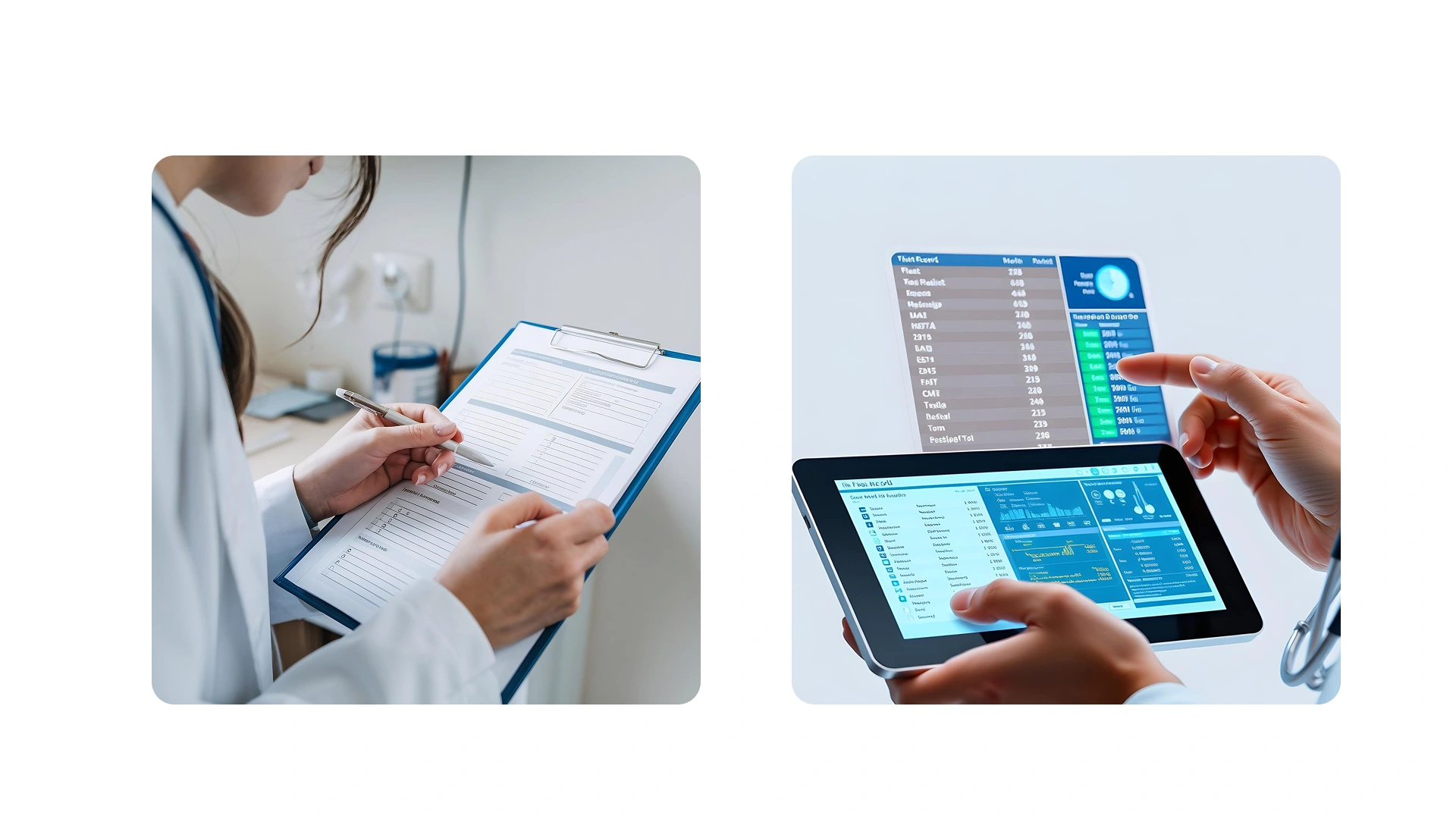
Every day, healthcare providers and organizations generate mountains of data.
Think about electronic health records, medical images like MRIs and CT scans, genomic data, and even notes typed into patient charts. All of it holds valuable clues that can improve patient outcomes.
Yet there’s a big problem: Most of this data is unstructured, buried in doctor notes, lab reports, or clinical trial records.
That’s where machine learning and artificial intelligence step in. These systems can scan through huge amounts of text, images, and numbers, finding connections humans would miss.
For example, natural language processing, an ML method, turns messy text into structured data. Instead of manually searching thousands of charts for mentions of a rare symptom, an algorithm can pull that information in seconds.
Healthcare organizations can then analyze this structured data to predict disease risk, manage patient flow, or optimize resource allocation. It’s why ML is becoming central to decision-making across the healthcare sector.
It’s not just about technology, it’s about improving patient health and reducing healthcare costs. Data scientists, medical professionals, and AI engineers are collaborating more than ever to bring ML from theory into daily healthcare services.
So, what exactly is machine learning in healthcare?
It’s a way for computers to learn patterns from patient data, clinical trials, medical images, and more. Instead of writing code to handle every rule, we teach the machine to spot patterns and make predictions.
This is different from traditional artificial intelligence, which might follow fixed rules. In healthcare machine learning, algorithms train on data to improve over time.
Terms like deep learning, neural networks, and machine learning models often overlap. Deep learning uses layers of artificial “neurons” to handle complex tasks, like reading X-rays or finding hidden trends in genomic data.
These technologies are transforming the healthcare industry. They help doctors analyze data faster, identify patients at risk, and even assist in drug discovery or developing medical devices.
But here’s the key: No ML system works well without collaboration with healthcare professionals. Doctors, nurses, and data scientists must work together to ensure models truly help patient care.
Healthcare is changing faster than ever.
Machine learning in healthcare is not just one tool. It’s a whole toolbox, helping us solve big problems in patient care, drug development, and hospital operations.
From spotting diseases earlier to reducing healthcare costs, these powerful machine learning applications are reshaping how healthcare organizations and healthcare providers deliver services.
Below is a quick look at some major areas where artificial intelligence and machine learning technologies are making a difference.
These examples show how healthcare machine learning touches nearly every corner of the healthcare sector.
They all share one goal: better patient outcomes and smarter healthcare delivery.
Now, let’s discuss some of these in detail.

Medical images like X-rays, MRIs, and CT scans hold critical clues about our health.
But even the best healthcare professionals can miss tiny details hidden in those images. This is where machine learning makes a powerful difference in healthcare.
Deep learning models, like neural networks, are excellent at spotting patterns in medical images.
These models can:
For example, at MD Anderson Cancer Center, data scientists used machine learning models to predict side effects from radiation therapy in patients with head and neck cancer. This helps doctors plan safer, more effective treatments.
The benefits of using machine learning algorithms in medical imaging are huge:
Think of it this way:ML acts like a second pair of expert eyes, helping healthcare providers make better decisions and improve patient outcomes.
And it’s not just for big hospitals. Many healthcare organizations are starting to explore these tools because they can reduce healthcare costs and speed up decision-making.
In the world of healthcare machine learning, medical imaging is one of the clearest examples of how technology is enhancing patient care and delivering better patient outcomes.

Every patient is unique.
That’s why machine learning is moving us beyond one-size-fits-all treatments. Instead, we’re using artificial intelligence to create care plans tailored to each person’s specific needs.
This approach is called precision medicine.
ML systems can analyze all kinds of patient data:
Imagine a doctor trying to decide which cancer drug to give a patient.
Instead of guessing, an ML model studies the patient’s genomic profile to predict which drug will work best. This means fewer side effects and faster recovery. It also helps healthcare providers avoid the costly trial-and-error approach, which saves both time and money in the healthcare industry.
Machine learning models can even warn doctors about problems before they happen.
Technology also plays a big role outside the hospital.
Smart devices like fitness trackers and medical sensors send real-time health data to ML systems. These tools:
This helps keep patients healthier at home and reduces hospital stays, which also helps reduce healthcare costs.
The result? Better patient outcomes, safer treatments, and more confident decision-making by healthcare professionals.
Treatments become dynamic, updating automatically as new information arrives. It’s one of the most exciting ways healthcare machine learning is transforming healthcare services.
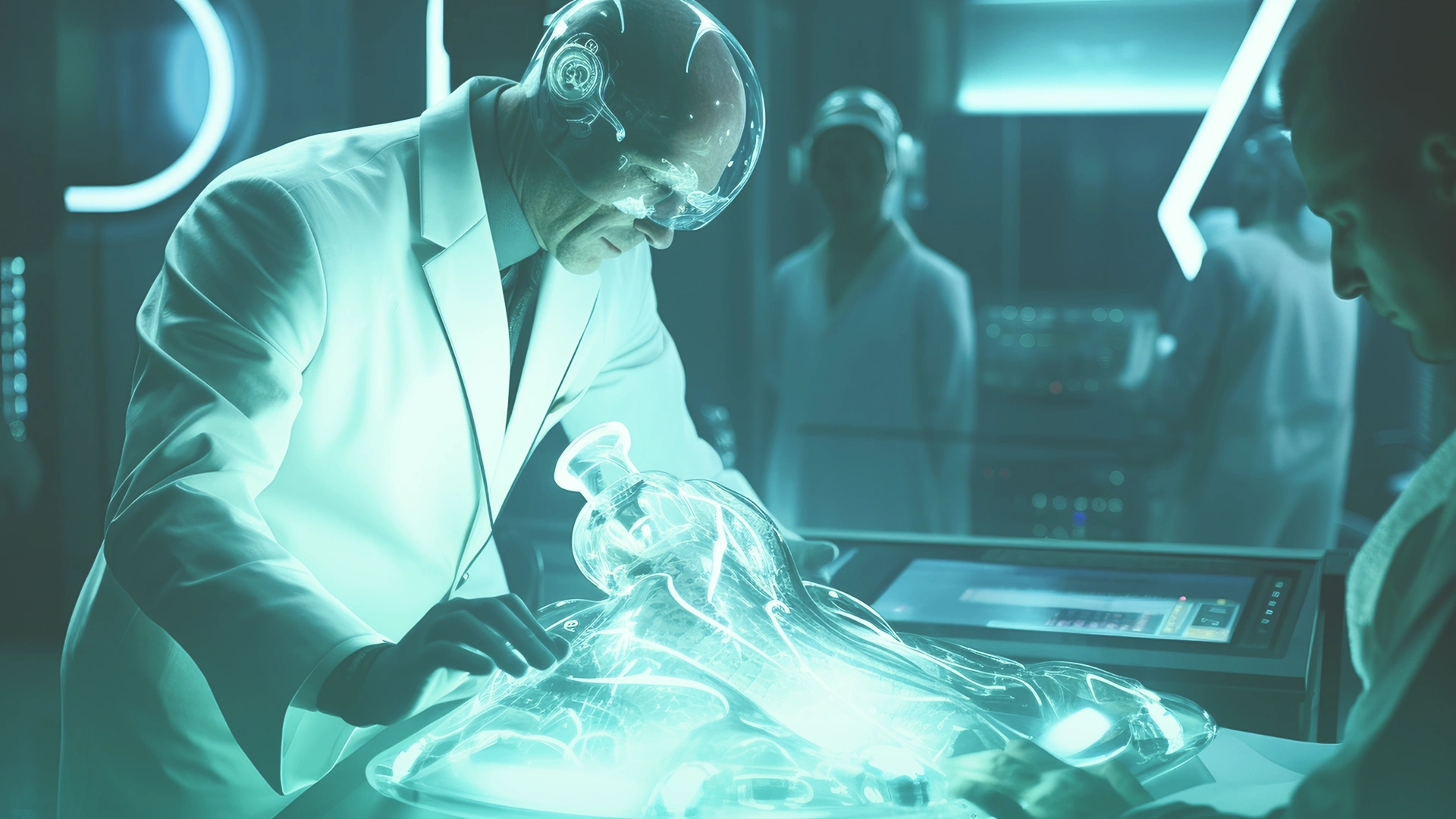
Making new medicines has always been slow and expensive.
But now, machine learning is helping us find treatments faster, cheaper, and more safely than ever before.
This is a big deal for both pharmaceutical companies and patients who need new options.
Drug discovery is one of the most powerful places where artificial intelligence shines.
Instead of testing every chemical one by one, ML models:
This means drug developers can focus only on the most promising ideas. What used to take decades might now happen in just a few years.
ML also helps find new uses for old drugs.
Sometimes, a medicine made for one illness can help with another. For example:
This drug repurposing saves time and cuts healthcare costs because we already know those drugs are safe.
In the lab, machine learning models even simulate how diseases act inside the body.
For diseases like cancer, ML can:
This makes medical research faster and safer.
When it comes to clinical trials, machine learning applications make a huge difference.
By catching problems early, ML helps companies avoid costly failures and protects patients.
The benefits are massive:
Big healthcare organizations and drug makers now rely on data scientists and machine learning engineers to guide the drug development process.
And as these tools grow, healthcare providers and patients will see safer, more effective treatments reach them faster.

Imagine a surgeon’s hand trembling just a little during a delicate operation.
That’s where machine learning in healthcare steps in: to make surgery safer, faster, and more precise.
Today, robotic surgery uses machine learning algorithms to help surgeons perform incredibly fine tasks.
Healthcare providers love these tools because they lower risks during surgery and lead to better patient outcomes.
But robotics isn’t just about holding instruments.
ML also helps surgeons plan operations before they happen.
It’s one of the clearest real-world applications of AI and machine learning in the modern healthcare industry.
Beyond the operating room, ML plays a key role in advanced treatments like radiotherapy.
It’s personalized care at its finest, driven by data science and artificial intelligence.
Even hospital paperwork is getting smarter.
Robotic Process Automation (RPA) uses ML to handle routine jobs:
This helps healthcare organizations save money and reduce burnout among staff.
The big benefits of these tools include:
In short, robotics and AI-assisted medical procedures are revolutionizing healthcare services. They’re helping us deliver safer surgeries, smarter treatments, and a smoother experience for both doctors and patients.
Hospitals don’t just save lives; they’re also busy workplaces full of paperwork, schedules, and endless details.
That’s why machine learning is becoming a powerful partner in running hospitals more smoothly.
One big area of change is how hospitals handle electronic health records (EHRs).
Doctors and nurses write tons of notes every day. But most of this information is unstructured data, meaning it’s messy text that’s hard to search.
Here’s where natural language processing (NLP), a branch of artificial intelligence, comes in:
This saves time for healthcare professionals and improves patient care. When patients request a medical certificate, NLP extracts key details, routes the case to a clinician for approval, and files it in the EHR reducing admin work, speeding turnaround, and improving data consistency.
Hospitals also use machine learning models to plan better.
This smart resource allocation helps healthcare organizations avoid being overwhelmed or wasting money on empty beds.
Clinical decision support is another big win for ML.
Inside EHR systems, ML tools:
This means safer care and better patient outcomes.
ML even fights fraud.
This protects hospitals and helps reduce healthcare costs.
All these improvements lead to:
In short, healthcare machine learning is transforming how hospitals work behind the scenes.
It’s not just about tech, it’s about making healthcare services more efficient, saving money, and helping doctors focus on what matters most: patient health.

Healthcare isn’t just happening inside hospitals anymore.
Thanks to machine learning, patients can get help wherever they are: at home, on the go, or in rural areas far from big medical centers.
One huge change is virtual care.
Many healthcare providers now use telehealth platforms powered by artificial intelligence.
These smart systems:
This helps healthcare professionals make better decisions while saving time and money for both patients and clinics.
…send constant streams of patieRemote monitoring is another amazing tool. Wearable medical devices like:
nt data into machine learning models.
Here’s how it helps:
This is incredibly helpful for managing chronic diseases, improving patient outcomes, and cutting healthcare costs.
Beyond helping individual patients, machine learning applications keep communities safer. Health analytics tools gather real-world data from apps and sensors.
ML models can:
This is a powerful way to protect public health and enhance healthcare delivery.
The benefits of all this technology include:
In short, healthcare machine learning is helping people live safer, healthier lives even from their living rooms. It is especially helpful when you work with virtual healthcare assistants too.
It’s one of the most exciting real-world applications of AI and machine learning in the modern healthcare industry.
Healthcare today faces big challenges, from rising healthcare costs to overwhelming amounts of patient data.
But machine learning is helping healthcare organizations tackle these problems and deliver better patient outcomes.
Let’s look at how artificial intelligence and machine learning technologies bring real value to the healthcare industry.
Thanks to these advances, healthcare providers can make smarter decisions, deliver more personalized care, and improve how healthcare services run day to day.
From reading medical images to predicting patient risks, machine learning applications are transforming every corner of health care.
And as deep learning models and neural networks keep getting better, we’ll see even bigger breakthroughs ahead. This is why investing in machine learning as a service or working with custom machine learning consulting partners is becoming a priority for many healthcare organizations.
Machine learning in healthcare offers huge benefits, but it’s not without real challenges.
Using artificial intelligence systems in healthcare means dealing with sensitive patient data, strict regulations, and sometimes complex technical issues.
Here are the key risks healthcare organizations need to keep in mind:
ML systems need tons of sensitive health data, like electronic health records. We must keep it safe under laws like HIPAA and GDPR and protect against data breaches.
If ML models train on data that doesn’t represent everyone, the results can be unfair. Only about 61% of hospitals check AI models against their patient demographics (2). Bias must be tackled to ensure better patient outcomes.
Many ML tools are treated like medical devices and face FDA rules. But laws still lag behind technology. Doctors may also worry about trusting a “black box” algorithm for crucial decision-making.
ML relies on good data. If medical records have errors or missing details, predictions can go wrong. It’s a classic case of “garbage in, garbage out.”
Even great machine learning applications can fail if they don’t fit into everyday hospital routines. Healthcare professionals need training, and systems must work smoothly with current tech.
While these challenges sound big, they’re not impossible to solve.
With smart planning, strong privacy protections, and teamwork between data scientists and healthcare providers, we can make healthcare machine learning both safe and effective.
By facing these risks head-on, the healthcare industry can keep moving toward enhancing patient outcomes and delivering smarter healthcare services.
Machine learning in healthcare is growing fast, and the next few years will bring even bigger changes.
From new artificial intelligence systems to smarter ways of protecting patient data, the future looks promising for healthcare providers and healthcare organizations alike.
Here’s a look at the top trends and services shaping the future of health care.
These trends mean we’ll see:
For healthcare organizations looking ahead, investing in machine learning as a service or working with custom machine learning consulting partners can be a smart way to stay ahead.
The future of healthcare machine learning is bright, and it’s just getting started.
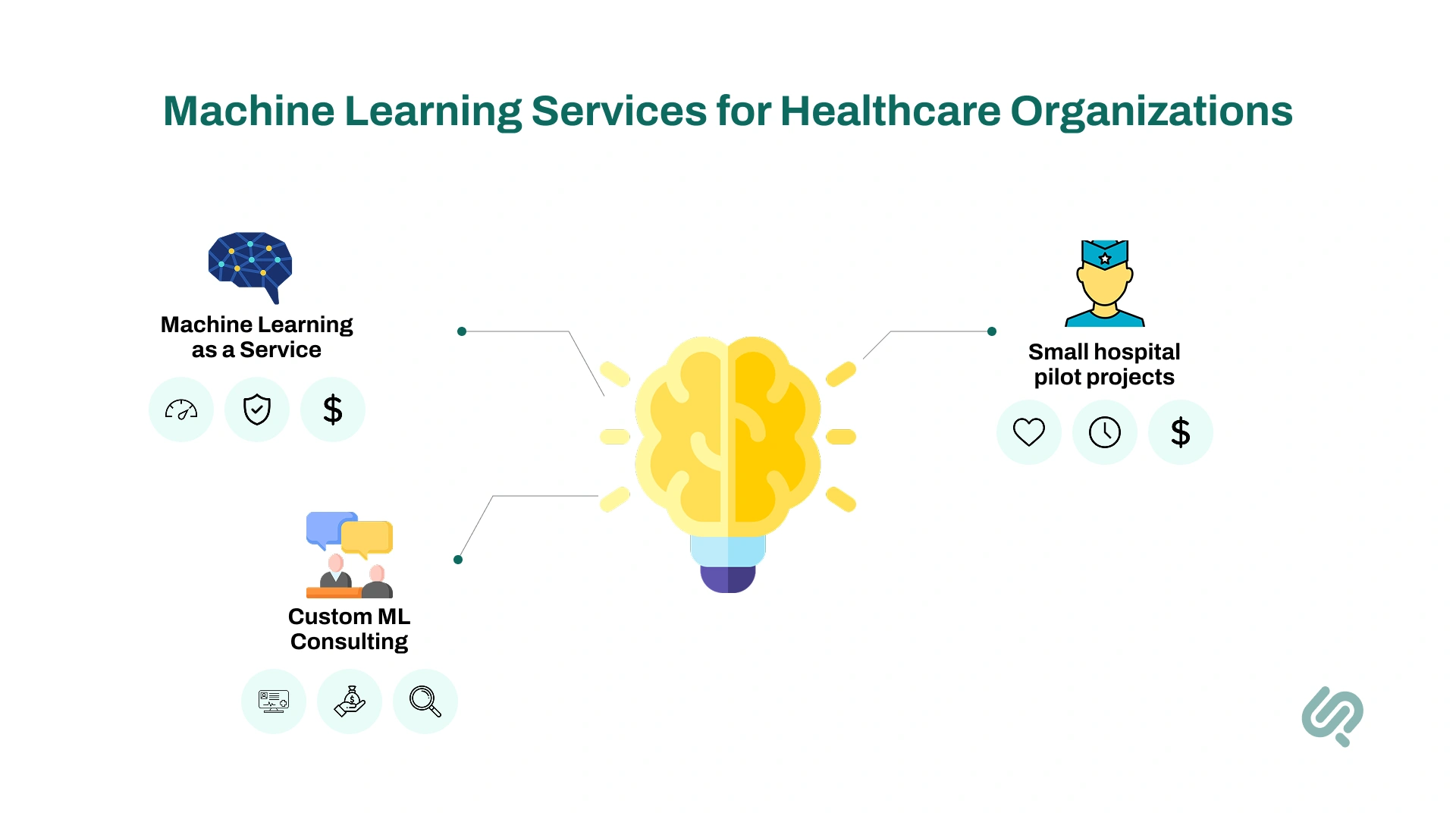
Many healthcare organizations want to use machine learning in healthcare, but it can feel overwhelming to start alone.
That’s where services like Machine Learning as a Service (MLaaS) come in.
Big cloud providers offer ready-made tools to help hospitals build and run machine learning models faster and safely. It’s a smart way for healthcare providers to explore AI without huge costs upfront.
Another great option is custom machine learning consulting.
Experts help design solutions for specific needs, like scanning electronic health records for early disease signs or finding ways to lower healthcare costs. These consultants bring experience with medical data, natural language processing, and healthcare rules.
Many groups also start small with AI pilots called Proof of Concepts (PoCs) or MVPs. These test ideas safely before full rollout, making sure new machine learning applications fit into daily hospital work.
By tapping into services like MLaaS or custom consulting, healthcare systems can unlock the power of artificial intelligence to improve patient care and achieve better patient outcomes.
Seeing how machine learning in healthcare works in real life makes it easier to understand its true impact.
Here are some powerful examples showing how artificial intelligence and machine learning applications are already improving health care around the world.
At leading cancer centers, machine learning models study patient data like tumor size, genetic markers, and treatment history — key examples of information sets used in machine learning.
These tools can predict if cancer might come back, giving healthcare providers a chance to plan earlier interventions and improve patient outcomes.
Hospitals are using artificial intelligence systems to study patterns in admissions and discharges.
ML helps predict busy times, so hospitals can plan staffing and resource allocation wisely. This avoids overcrowding, reduces wait times, and lowers healthcare costs.
Healthcare organizations and pharmaceutical companies are tapping into machine learning technologies to tailor treatments.
ML analyzes individual patient data from electronic health records and genetic profiles to see which drugs might work best for each person. This means fewer side effects and better patient outcomes.
Many healthcare systems report that rolling out ML projects takes teamwork.
Success often depends on involving healthcare professionals, data scientists, and IT staff from day one. It’s also key to test new tools in small pilots before going big, ensuring they fit into daily healthcare services and workflows.
These real-world applications of AI and machine learning show how smart use of data and successful machine learning projects can transform patient care and help hospitals deliver safer, faster, and more efficient healthcare services.
As technology grows, we’ll keep seeing new ways to use ML for decision making, precision medicine, and tackling big health challenges.
Machine learning in healthcare is no longer a distant dream.
From spotting cancer early in medical images to powering drug discovery and streamlining electronic health records, artificial intelligence and deep learning models are transforming how we deliver healthcare services and improve patient outcomes.
But this transformation doesn’t happen by accident.
Healthcare organizations need the right data, skilled teams like data scientists and machine learning engineers, or partnerships with top machine learning companies to bring these solutions to life.
It’s about using technology to enhance human care, reduce healthcare costs, and support better decision-making across the entire healthcare sector.
Now is the time for healthcare providers, medical professionals, and innovators to explore the real power of machine learning applications.
Because the future of health care isn’t just digital, it’s intelligent.



Areesha is a content writer with over 2 years of experience in writing about tech and digital trends. She focuses on topics like AI, remote work, and productivity.
Her blogs have helped startups grow their content reach and improve lead generation. She writes with a focus on clarity, simplicity, and reader value.