







![Top 45+ Free AI Apps in 2026 [Categorized by Industry]](https://cdn.prod.website-files.com/61bb26fe53aeb2a18bbd17e4/693297ba9503dab0115df53f_Hero%20Image.webp)

Building A1 DDP - Dubai Silicon Oasis
Industrial Area - 342001 -
Dubai - United Arab Emirates
+971 50 756 2346


SERVICES

COMPANY LINKS
SIGN-UP
For Newsletter


In 2026, more than 4.7 billion people worldwide own a smartphone, and the demand for fresh, innovative mobile apps is at an all-time high.
For entrepreneurs and developers, the right idea can turn into the next big thing, an app that reshapes lifestyles and markets. From health and finance to travel and gaming, the most successful apps are those that solve real problems and make everyday life easier.
With technologies like AI, GPS, and augmented reality, the possibilities for innovation are endless. Understanding how to make apps that truly stand out involves not just creativity but also strong execution and scalability.
Partnering with the best Android app development company can help transform these ideas into high-performing, user-friendly apps that thrive in competitive markets.
As of 2025, approximately 4.69 billion people globally own a smartphone, which is an increase of about 440 million in just one year (1).
Today, we’re going to look at 50 brilliant app ideas to build in 2026 (category by category).
Quick tip: A great idea is just the start. Success comes from knowing your audience and building features that genuinely save people time.
In 2026, building a successful application is the best way to make a fortune. With millions of people using mobile apps daily, even one powerful idea has the potential to transform lives and create thriving businesses.
Whether it’s health, finance, education, or entertainment, apps are now the bridge between users and solutions. A well-planned mobile app development process consultation can help refine app design ideas and ensure you’re building for impact.
For younger audiences, innovative app ideas for students can open new opportunities in learning and productivity.
Here’s why it matters now:
Personalized wellness coach: Uses AI and health data to tailor workout plans, diet advice, and health tracking for every user.
Health and fitness apps are one of the fastest-growing mobile app categories. Millions of people now rely on their phones to track workouts, monitor their diet, and stay accountable.
In fact, fitness apps rank among the best mobile app ideas because they combine convenience with real health benefits.
An AI-powered fitness app acts like a personal trainer in your pocket. Using machine learning algorithms, it can analyze user input such as:
Based on this data, the app could create customized workout routines, nutrition plans, and even recovery schedules.
For example, it might suggest a 20-minute HIIT session for busy mornings, followed by a keto-friendly meal plan tailored to your needs.
Health-conscious lifestyles are trending, and with AI’s ability to personalize every experience, users are more engaged.
Healthcare app development doesn’t just save users time. It helps them build habits that improve long-term health. That’s why AI-powered health & fitness apps remain one of the best AI apps to develop in 2026.
The global fitness app market was about USD 9.28 billion in 2024, and it's forecasted to grow to over USD 40 billion by 2034, with a CAGR of ~15.8% from 2025-2034. (2)
Simplified personal finance: Helps users track spending, set budgets, and visualize savings with just a few taps for better money management.
Managing personal finances can feel overwhelming, and that’s why smart expense apps are growing fast.
In fact, 73% of smartphone users manage their finances with a mobile app every month. People want simple tools that help them save money, avoid overspending, and plan without using complicated spreadsheets.
A smart expense management app automatically categorizes spending into groups like groceries, bills, dining, and entertainment.
Users can set monthly budgets and savings goals, and the app sends alerts if they’re close to overspending.
For example, if you set a $200 limit for dining out, the app notifies you when you’ve reached $180 and suggests ways to cut back.
Instead of crunching numbers manually, users can view intuitive charts and graphs that show where money goes each month. With just a few taps, they get a clear picture of their financial health.
Smart expense apps can go beyond budgeting by tapping into the growing trend of investing. Interest in stock and trading apps has surged 115% year-over-year.
Adding features like investment tracking, debt payoff planning, or even AI-powered financial advice makes the app more valuable.
With rising living costs, people want smarter ways to manage their money.
A well-designed expense management app not only saves users time but also empowers them to make better financial decisions.
From students learning to budget to families planning for the future, this is one of the most brilliant app ideas that addresses a universal need.

Virtual home decorator: Lets users visualize furniture and décor in their own space through augmented reality, making interior design easy and interactive.
Home improvement and décor have surged in popularity as people spend more time personalizing their living spaces.
The global AR/VR market is projected to hit $89.8 billion in 2025, and interior design is one of its most practical uses.
Shoppers no longer want to guess if a couch or table will fit; they want to see it in their room before buying. This makes AR-powered design apps one of the best mobile app ideas for 2026.
The app uses your smartphone camera to turn your room into a virtual showroom.
For example, you could see how a new sofa fits in size and color with your current décor before making a purchase. Users can also save different room layouts, share screenshots, or directly order the products they love.
The next step is combining AI-powered personalization with AR. Imagine the app suggesting entire room setups based on budget and style, or linking with local businesses so you can shop from nearby stores.
A progressive web app version could allow users to design on desktops and sync changes to their phones. Integration with smart home devices may also let users preview lighting or layout changes.
People want smarter, easier ways to design their homes without hiring professionals or making costly mistakes.
An AR interior design app saves users time, reduces uncertainty, and makes the process fun.
With e-commerce growth and AR adoption skyrocketing, this is one of the most innovative and brilliant app ideas for 2026.
Sky-high convenience: A platform where users can book drones for various services, like aerial photography, deliveries, or inspections, directly from their smartphones.
Drones are no longer futuristic gadgets; they’re becoming mainstream tools.
From package delivery to farming, the global drone services market is projected to exceed $60 billion by 2030.
In 2026, businesses and individuals alike are looking for quick, reliable drone access. An on-demand drone service app meets this demand by making drones as easy to book as a taxi.
The app acts as a marketplace for drone services:
For example:
Users can track the drone in real time through GPS tracking and receive updates when the job is complete.
The future includes AI-powered flight planning, predictive maintenance for drones, and integration with IoT sensors for industries like construction or agriculture.
Expansion into progressive web apps can help reach users across devices.
Partnerships with logistics and emergency services could also make drone apps critical for deliveries, disaster response, or rescue operations.
As drones become more affordable and regulations evolve, on-demand access is the next logical step.
An on-demand drone service app saves users time, opens new opportunities for businesses, and brings futuristic convenience into everyday life.
It’s one of the most forward-looking and brilliant app ideas for 2026.
Interactive learning with NLP: Uses AI and natural language processing to offer personalized lessons, speech coaching, and real-time translation.
Learning new languages has become one of the most popular mobile app ideas worldwide. In 2023 alone, language learning apps were downloaded 231 million times.
With more people working remotely, traveling, and connecting globally, there’s a huge demand for apps that make language learning easy, engaging, and accessible.
An AI-driven app adapts to each learner’s pace and goals. Users can start by choosing their target language and purpose, whether it’s French for travel, Spanish for school, or Mandarin for business.
Based on user input and progress, the app creates a personalized curriculum that evolves.
AI and natural language processing make the experience more interactive:
For example, if you ask how to order food in Italian, the app generates a role-play exercise where you practice speaking naturally.
The next step in app development for this category is real-world integration.
Future-ready apps might include voice translation app features for live conversations during travel, augmented reality for real-life labeling, and cloud syncing and cross-platform compatibility.
In today’s global world, learning another language isn’t just a hobby. It’s a career and lifestyle advantage.
By adapting to user preferences and making practice fun, an AI-powered language app saves users time and helps them build confidence faster.
That’s why it’s one of the brilliant app ideas worth pursuing in 2026.

Your universal command bar for life: Summarize emails, draft replies, auto-schedule, and generate documents.
Busy professionals waste hours switching between tools. With AI copilots, users can automate routine work, boost productivity, and save time. According to McKinsey, AI adoption could automate up to 30% of tasks in 60% of jobs by 2030. Demand for productivity-focused AI apps is only growing.
The app connects to email, calendar, docs, and chat platforms. Users type or speak natural requests like “summarize this thread,” “create slides from this doc,” or “schedule a call,” and the AI executes tasks instantly.
Example: Summarizing a 30-message email thread into 3 bullet points or drafting meeting notes and sharing them instantly with the team.
Time is money. AI copilots reduce busywork, making them one of the most brilliant app ideas for professionals and enterprises in 2026. Expect copilots to anticipate needs reminding you of unfulfilled commitments, nudging you to respond, or even suggesting collaboration opportunities.
Turn notes, links, and PDFs into a connected, searchable brain.
Information overload is real. Workers spend 19% of their week searching for and gathering information (IDC). Apps that organize and visualize knowledge in a connected way are becoming indispensable.
The app ingests notes, URLs, and files, then auto-tags and connects related ideas. Users can explore their data visually in a graph view, surfacing connections and insights instantly.
Example use cases: Linking a saved PDF research paper with connected notes, surfacing forgotten project ideas tied to new documents, and revisiting flashcards for spaced-repetition learning.
They make users smarter and more efficient, turning scattered notes into a connected system that saves time and boosts creativity.

Describe features by voice; get a working prototype.
Founders and students want to know how to make apps quickly, without coding. With AI and no-code tools, voice-driven app builders democratize creation.
Users speak: “Create login, home feed, profile page, dark mode.” The builder generates a clickable prototype with instant previews and starter code.
Example: Students building MVPs for school projects, entrepreneurs validating startup ideas, and designers testing UI flows before development.
Speed is everything. These apps reduce time from idea to prototype, helping creators test, pitch, and launch faster than ever.

Scan APK/IPA builds for crashes, ANRs, and security leaks.
Mobile users are ruthless with unstable apps 71% uninstall due to crashes. With billions of apps in stores, QA automation is in high demand.
The app runs test builds on device farms, simulates user flows, detects errors, and recommends fixes. Developers get actionable reports with stack traces and even suggested code changes.
Example use case: Detecting insecure permission requests and reproducing crash scenarios with video logs before launch.
Quality means survival. Developers and companies can’t risk poor ratings, making bug finders a must-have in the mobile app development process consulting stack. AI will soon generate test cases automatically and suggest patches. Integration with app stores may even prevent buggy builds from publishing.

Reduce screen time with nudges, timers, and lock-screens that coach habits.
Smartphone addiction is a modern epidemic 61% of people admit they’re addicted to their phones. Users want help regaining focus and balance.
The app analyzes screen time patterns and nudges users to healthier habits. It enforces breaks with lock screens, sets daily usage goals, and shows weekly progress reports.
Example use cases: Blocking TikTok after 2 hours, enforcing a bedtime phone curfew, or celebrating a 7-day streak of reduced screen time.
Productivity and mental health are priceless. Phone detox coaches save users time and sanity, making them one of the best mobile app ideas for modern lifestyles.

Street-level forecasts plus allergy/pollution alerts.
The weather is a daily check-in for billions. With climate volatility and extreme conditions increasing, users want accurate, hyperlocal updates.
The best weather app for Android is no longer just about rain predictions; it’s about air quality, allergens, and real-time storm tracking.
By combining radar, satellite data, and IoT sensors, the app delivers minute-by-minute forecasts down to the street level. Users can plan trips, outdoor activities, and even commutes with smarter insights.
Example: Allergy sufferers get pollen alerts before going out, commuters receive storm warnings along their route, and travelers see trip-aware forecasts with automatic updates.
Users open them daily. A hyperlocal, health-focused design makes this one of the most brilliant app ideas for retention and monetization.
Prolong battery life via charge windows and thermal management.
Smartphones are expensive, and batteries degrade fast. Users want tools that help maximize lifespan. With global smartphone replacement cycles now averaging 3+ years, protecting battery health matters more than ever.
The app monitors charging habits, sets safe charge windows (like 20–80%), and detects background hogs that drain power or overheat devices.
Example: Phone alerts you to unplug at 80% charge, detects apps draining battery in the background, and reduces thermal strain during gaming or video recording.
Extending device lifespan saves users money and reduces e-waste a win-win utility app.
High-accuracy translation without data in 50+ languages.
Travel is booming, but connectivity isn’t guaranteed everywhere. Over 1.4 billion people travel internationally every year, and many want translation tools that work offline.
The app packs neural machine translation models onto the device, enabling fast, accurate translations even without internet.
Example use cases: Scan a menu in Japan with camera OCR, chat with a taxi driver abroad using conversation mode, and save key phrases in a personal phrasebook for quick access.
They break language barriers in real-time, empowering travelers, students, and global businesses, making them one of the best mobile app ideas this year.

Measure rooms, plan furniture, export to CAD/CSV.
The global AR market is projected to surpass $89.8 billion in 2025. Beyond games, utilities like measuring and design tools are leading adoption, helping users visualize and plan spaces.
Using the smartphone’s camera and AR tech, the app scans rooms and objects, then lets users measure dimensions and plan layouts.
Example: Measure a wall before ordering wallpaper, check if a new sofa fits in your living room, and export measurements to CAD for architects.
They save users time, reduce costly mistakes, and blend AR with practical, everyday use cases.
Pro RAW, zebras, LUTs, and AI denoise in one.
Smartphone photography is huge, with 1.8 trillion photos taken annually worldwide. Users want DSLR-like features without carrying heavy gear, which makes the best camera app for Android a must-have.
The app enhances the phone’s native camera, unlocking manual controls for serious shooters and AI features for beginners.
Example use cases: Capture RAW photos with manual settings, record 10-bit video with pro color grading, and apply AI denoise for clean night shots.
They serve hobbyists, influencers, and pros alike. A polished manual camera app is one of the most in-demand tools for Android creators.
Charge smarter: Plan routes with charging stops and pay in-app.
With EV adoption surging, drivers need reliable charging guidance. In 2024 alone, global EV sales topped 14 million units (IEA). Range anxiety and station access remain big challenges apps that solve this win users.
The app calculates battery-aware routes and integrates payments at charging stations.
Example: A Tesla driver traveling 200 miles gets a mapped route with optimized charging stops, live station occupancy, and payment in-app.
As EVs become mainstream, this app directly addresses pain points, charging, planning, and payments.

Stress-free parking: Find live spots, pricing, and avoid tickets.
Urban congestion wastes over 17 hours/year per driver (INRIX) just searching for parking. Cities also issue millions in fines. A smart app reduces both.
The app pulls data from sensors, cameras, and crowdsourced input to show open parking spots and street rules.
Example: A driver in NYC gets a real-time notification of a $5/hour spot nearby and an alert that street cleaning starts at 7 AM.
Parking is a daily frustration; apps that save time and fines are instant winners.
Discover stories: GPS-triggered short audio tours from locals.
Travelers want authentic, local experiences. The global tour guide market hit $30B in 2024, with rising demand for personalized options.
The app uses GPS to trigger short audio clips about landmarks, narrated by local creators.
Example: Walking past Rome’s Colosseum, the app auto-plays a 3-minute story from a historian about gladiator battles.
Authentic storytelling apps stand out as travelers seek culture-rich, flexible alternatives to group tours.
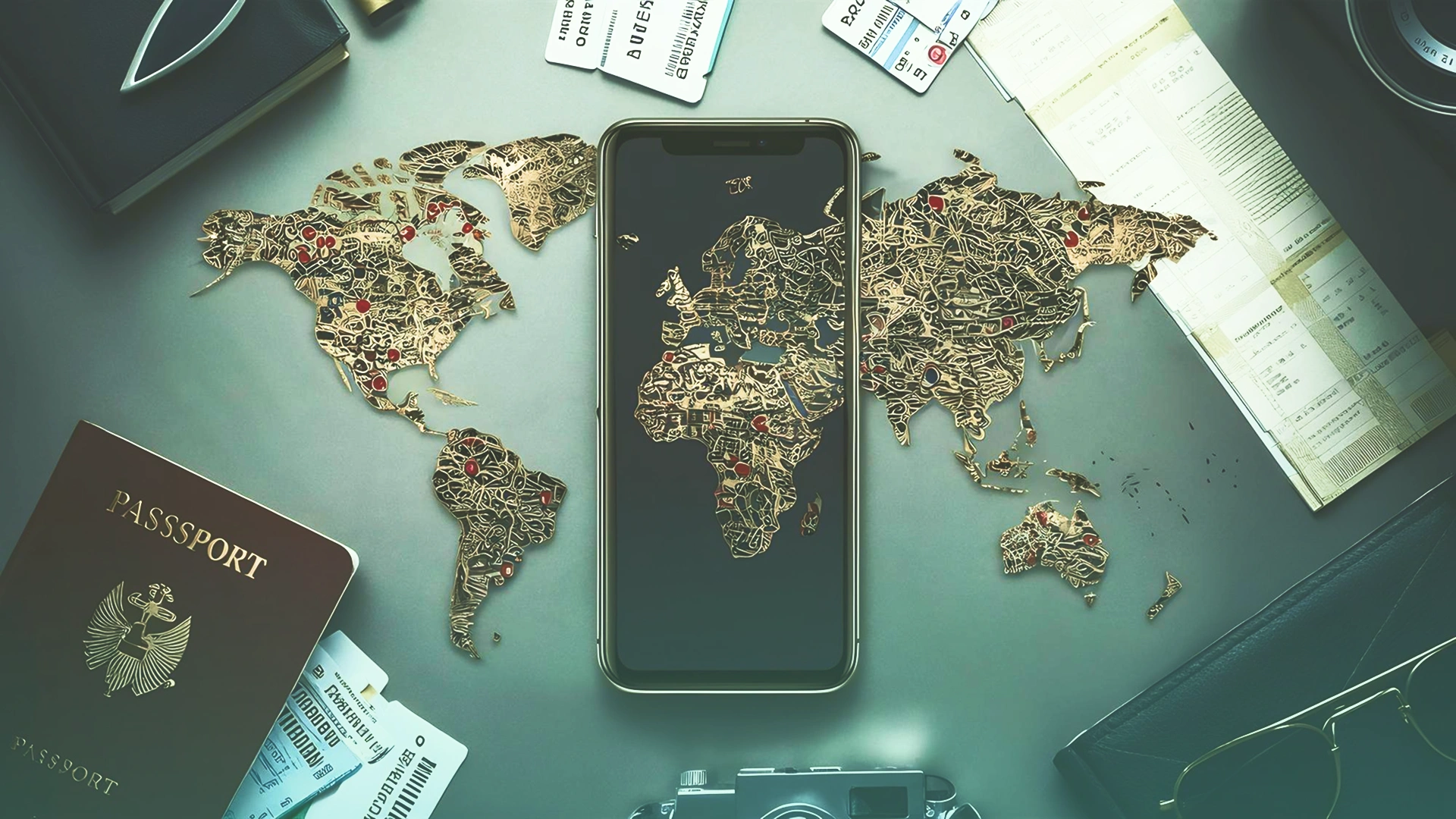
Travel-ready: Get document checklists, embassy slots, and timelines.
International travel is growing fast 1.5B+ border crossings/year (UNWTO) but paperwork delays and confusion frustrate millions. A smart visa assistant reduces friction.
Users select the destination country and trip type; the app generates a checklist, reminders, and connects to experts.
Example: A student applying for Canada gets a timeline of forms, embassy interview slots, and auto-reminders for biometrics.
Global mobility is booming apps that cut visa hassles will find mass adoption.

Stay safe: Real-time neighborhood risk maps + verified tips.
Safety ranks among travelers’ top 3 concerns (Travel Weekly). Apps like TripAdvisor cover reviews, but not safety heatmaps.
The app aggregates official data, local reports, and traveler tips into color-coded maps. Example: A user in Rio sees which neighborhoods are green (safe) vs. red (avoid at night), with tips from other tourists.
Travelers want confidence when exploring new places apps that combine safety, local insights, and alerts provide real peace of mind.

Stack short courses into accredited pathways.
Education is shifting from four-year degrees to flexible, skills-based learning. By 2026, the global e-learning market is projected to exceed $400 billion (Statista). Learners want modular, career-aligned credentials instead of lengthy, expensive programs.
The app lets users combine short courses into structured “micro-degrees.” These stacks can be validated by employers or accrediting bodies, giving learners real-world credibility.
Example use cases: Stack courses like Python, Analytics, and Machine Learning into a Data Science pathway, build a UX/Figma micro-degree, and showcase verified certificates to employers.
They offer affordability, flexibility, and direct employability, perfect for students and professionals alike.

flashcards, and an AI quiz generator.
Students crave tools that make learning fun and efficient. With over 1.5 billion students worldwide using digital learning platforms, gamified study apps are becoming indispensable.
The app combines productivity techniques (like Pomodoro timers) with AI-generated quizzes and flashcards. Students stay motivated through streaks, rewards, and GPA tracking.
Example use cases: Import class schedules to auto-generate revision sessions, let parents track progress via a parent view, and turn lecture notes into AI-powered flashcards and practice tests.
They blend accountability with fun helping students manage workloads and stay consistent in their learning.
Safe, virtual experiments for physics, chemistry, and biology.
Many schools lack resources for hands-on labs. With AR/VR adoption growing at a 20% CAGR in education, immersive learning tools are bridging the gap.
Students use their smartphone camera to run safe, virtual experiments. Physics forces, chemical reactions, and biology dissections can all be simulated interactively.
Example: Safely mix chemicals in a virtual beaker, measure velocity and force in a physics lab, and explore a 3D human heart in biology class.
They democratize lab access making science safe, affordable, and engaging for students everywhere.

Map current skills to high-demand roles and fill gaps efficiently.
With automation reshaping industries, millions are reskilling. The World Economic Forum predicts 50% of employees will need reskilling by 2026.
The app analyzes user skills, maps them to high-demand roles, and suggests learning modules or mentors to close skill gaps.
Example: A retail worker maps into digital marketing, an engineer transitions to product management with targeted courses, and salary data helps users compare opportunities.
They turn uncertainty into opportunity helping people reinvent careers quickly in a volatile job market. Integration with micro-degree builders, job portals, and employer partnerships will streamline transitions.

Adaptive fonts, pacing, and read-aloud with synchronized highlighting.
About 1 in 10 people worldwide has dyslexia. Inclusive learning tools are in high demand as education systems embrace accessibility.
The app adapts reading materials with custom fonts, line spacing, and color overlays. It reads aloud while highlighting text, improving comprehension.
Example use cases: Students read textbooks with adjustable pacing, highlighted text syncs with audio for better retention, and schools integrate it with LMS platforms for accessibility.
They empower millions of learners to study effectively, making accessibility a driver of innovation in education app development.

Community-focused platform: Connects people with shared interests or demographics for more meaningful and personalized social interactions.
Big social media platforms like Facebook and Instagram are crowded and generic. Many users now want smaller, more focused spaces where they can interact with like-minded people.
This shift has led to the rise of niche social networking apps, where communities form around hobbies, lifestyles, or specific needs.
For example, a platform for book lovers, a space for single parents, or a local neighborhood app. People crave genuine interaction, not endless scrolling.
Unlike broad social media apps, these platforms focus on a single community or theme. Users create profiles, join groups, and connect through feeds, chats, or forums tailored to their shared interests. For instance:
The more specific the focus, the more engaged the community becomes. By design, users interact in a way that feels authentic and supportive rather than competitive.
The future lies in hyper-personalization and community-first design. Apps could integrate with AI-powered recommendations for content or connections, or allow augmented reality (AR) meetups.
Monetization could come from premium memberships, targeted ads relevant to the community, or in-app marketplaces.
For example, a niche platform for artists might include an online shopping feature for selling artwork directly.
Generic social media is losing its appeal, while niche communities are thriving. People want apps that save time and feel valuable by connecting them to relevant people and resources.
A well-built niche social networking app has the potential to build loyal, engaged user bases that big platforms can’t replicate.
It’s not just a trend. This brilliant app idea is reshaping how people connect in 2026.

Your personal organizer: Combines to-do lists, habit tracking, and goal setting with reminders and positive reinforcement to help users manage their workflow and stay motivated daily.
With busy schedules and constant distractions, staying focused is harder than ever. In fact, surveys show that 85% of workers feel disengaged or unmotivated at work.
This creates a massive opportunity for apps that go beyond simple task management to also boost motivation and accountability.
That’s why productivity and motivation apps are among the most in-demand mobile app ideas in 2026.
This app works as both a digital planner and a personal coach. Users can:
It also includes habit-tracking features. For example, users can set a goal to read 20 minutes daily or drink 8 glasses of water, then log progress and build streaks.
To keep morale high, the app sends positive reinforcements like badges, animations, or motivational quotes.
The future lies in personalization and integration. Apps will use machine learning algorithms to understand user habits and tailor productivity systems automatically.
They may also integrate with wearables to suggest breaks based on stress levels or fatigue.
Expanding as a progressive web app ensures users can access their goals across devices, mobile, desktop, or tablet.
Productivity isn’t just about managing tasks but about maintaining motivation.
An app that combines organization, habit-building, and encouragement gives users a complete solution.
By saving time, reducing stress, and boosting morale, a productivity & motivation app stands out as one of the most practical and brilliant app ideas in 2026.

Meaningful matchmaker: A dating platform that focuses on quality matches through new features like compatibility quizzes, video profiles, and safer verification to foster real connections.
Online dating has become mainstreamnearly 30% of U.S. adults have used a dating app or site.
But while millions are swiping daily, many users feel existing platforms are superficial or unsafe.
This creates an opportunity for an innovative dating app that prioritizes meaningful interaction, better safety, and long-term connections over quick matches.
Instead of endless swipes, the app focuses on quality over quantity. During signup, users complete a personality test or compatibility quiz to ensure better matching.
The app can then highlight compatibility scores that go beyond looks and locationcovering values, lifestyle, and communication style.
To make profiles more authentic, users can upload short video introductions or voice prompts, giving others a sense of personality before chatting.
To increase trust, features like photo verification and AI-based ID checks help reduce fake accounts and scams.
For conversation starters, the app provides icebreaker questions or mini-games like “Would you rather?” quizzes.
The next generation of dating apps will blend social networking with matchmaking.
Expect integrations like AI-powered conversation prompts, group events, or even AR/VR first-date experiences.
A progressive web app version could make the platform more accessible worldwide, particularly in regions where app store restrictions limit reach.
With over 57 million active online daters in the U.S. alone, there’s a massive audience for a dating app that feels safe, authentic, and engaging.
By focusing on meaningful matches and offering innovative features, this idea solves real user frustrations and stands out as one of the brilliant app ideas to build in 2026.
.webp)
On-demand pet care: Connects pet owners with trusted sitters and walkers nearby, with reviews, bookings, and GPS-tracked updates for peace of mind.
Pets are family, and owners want reliable care when they’re at work, traveling, or busy.
The pet services market is massive, with global pet care spending surpassing $260 billion in 2022 (Statista) and continuing to grow in 2025.
Yet many owners still rely on word of mouth or social media groups to find sitters. A dedicated pet sitting app fills this gap, offering convenience, safety, and trust in one place.
The app connects pet owners with local sitters and walkers:
During the service, the sitter can send photo or video updates, while GPS tracking confirms walking routes.
For example, if you’re at work, you can see your dog’s walk in real time, along with notes like feeding times or play sessions.
Future-ready apps can expand into full-service platforms with AI-powered pet health tips, integration with health apps for vet reminders, and even smart collar data sync.
Adding a progressive web app version would make it easier for sitters and owners to manage bookings across devices.
Community features, like local pet playdate groups, could further boost engagement.
As pet ownership rises, so does the need for trustworthy, convenient care.
A pet sitting app saves owners time, gives them peace of mind, and creates flexible income opportunities for sitters.
With the right features, it becomes one of the most practical and brilliant app ideas for 2026.

Bite-sized entertainment: A collection of simple yet addictive mini-games such as connections game that anyone can play on the go, offering quick fun without heavy time commitment.
Gaming dominates mobile usageover 50% of global mobile revenue comes from gaming apps.
Within this, hyper-casual games are the fastest-growing trend because they’re easy to learn, quick to play, and appeal to all age groups.
These lightweight games are perfect for people looking to kill a few minutes while commuting, waiting, or relaxing.
Instead of downloading multiple apps, users get access to a hub of mini-games in one place. These could include puzzle games, endless runners, trivia quizzes, or tap-to-play challenges.
Controls are simple, usually swipes or taps, so anyone can start playing instantly.
For example, one game might be about stacking blocks as high as possible, while another could be a quick word scramble.
The focus is on fun, short sessions that encourage repeat play. Social features like leaderboards or friend challenges make the experience more engaging.
The future will bring AI-generated mini-games, ensuring fresh content without long development cycles.
Integration with augmented reality can also create new casual game types (e.g., tossing virtual objects into real-world baskets).
Expanding as a progressive web app could attract users who want instant gaming without heavy downloads.
People love games that they can play in just a few taps. Fun, casual, and repeatable.
A hyper-casual gaming hub saves time by keeping everything in one app and opens revenue opportunities through ads, in-app purchases, and viral sharing.
It’s a low-cost, high-reward concept, making it one of the most exciting and brilliant app ideas to build in 2026.

Personal trip assistant: Automatically generates itineraries, offers local guides and AR navigation, and even acts as a translator to help travelers explore with ease.
Travel is fun, but planning every detail can feel overwhelming. From language barriers to finding authentic local spots, tourists face many challenges.
That’s why smarter travel apps are in demand. 76% of global travelers look for apps that reduce the friction and stress of traveling.
With global tourism rising again, a personalized travel planner app is a brilliant opportunity in 2026.
A tourist helper app acts as a digital travel companion. Users enter their destination, travel dates, and interests (like “adventure,” “foodie,” or “history”), and the app instantly creates a customized itinerary.
This itinerary can include must-see attractions, restaurant recommendations, hidden gems, and even local events.
The app also makes traveling smoother with tools like real-time translation (for signs, menus, or conversations), offline maps for areas without internet, and a GPS-based parking finder app to solve one of the biggest tourist frustrations.
The future of travel apps will focus on immersive experiences and convenience (including adding the best weather app for Android features).
Features like augmented reality city tours, instant hotel/tour booking, and progressive web app versions for cross-device access will become standard.
AI-driven personalization could even suggest activities based on mood, time of day, or the weather forecast.
Travelers want less stress and more authentic experiences.
By combining translation, AR, booking, and local insights into one platform, a travel helper app saves users time while making trips more enjoyable.
It’s one of the brilliant app ideas that fits perfectly with modern travel needs and is a strong candidate for success in 2026.

Reduce waste, feed communities: Connects restaurants and individuals with extra food to nearby shelters or people in need, coordinating pickups with just a few taps.
Food waste is a global problem. At the same time, millions of people struggle with hunger every day. According to the UN, 1.3 billion tons of food is wasted globally each year, while nearly 9% of the world’s population goes hungry.
This gap creates a huge opportunity for apps that link surplus food with those in need.
With more people and businesses caring about sustainability, food donation apps are gaining attention as a powerful social and environmental solution.
The app acts as a simple bridge between donors and recipients.
Restaurants, cafes, supermarkets, or even individuals can post extra food available for donation. Local charities, food banks, or people in need get notified instantly and can arrange pickups or drop-offs.
For example:
The app could also integrate with volunteer drivers who help with deliveries, ensuring the food reaches recipients quickly and safely.
Future-ready app development for food donations will include AI-powered demand predictions, anticipating where surplus food is likely to occur and where it’s most needed.
Integration with local businesses and municipalities can scale impact. A progressive web app version could also help NGOs and small charities with limited devices or budgets.
This app tackles two problems at once: reducing food waste and fighting hunger. Communities benefit, businesses build goodwill, and the environment wins too.
With sustainability becoming a top global priority, a food donation app stands out as one of the most meaningful and brilliant app ideas to build in 2026.
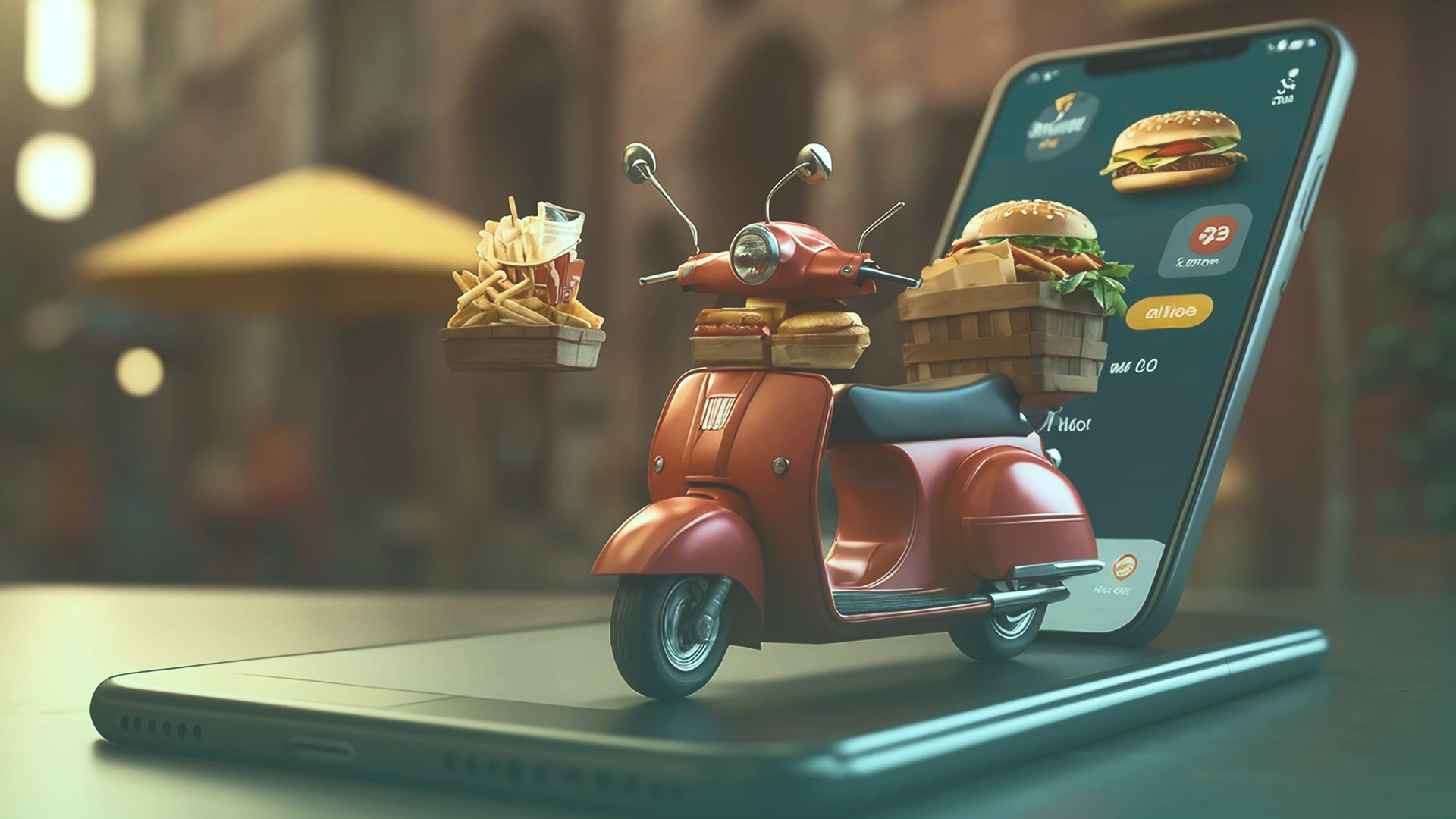
Smarter meal ordering: Uses AI to personalize dish recommendations, optimize delivery routes, and support local restaurants for faster, better service.
Food delivery is now part of daily life. In the U.S. alone, the food delivery market generated over $100 billion in 2023 and grew to $108 billion in 2024.
With such massive demand, the competition is intense. Users want not just food, but faster, cheaper, and more personalized experiences, which is where AI-powered apps stand out.
This app takes the familiar food delivery model (like Uber Eats or DoorDash) and makes it smarter with AI-powered personalization.
For restaurants, the app predicts peak demand times, helping them prepare and avoid delays. For users, it offers discovery, highlighting new local eateries, not just big chains.
The future will go beyond delivery to community-driven platforms. Expect AI-powered grocery delivery, medicine delivery app development integration, and eco-friendly routing that reduces carbon footprint.
Apps could also expand with progressive web app versions, making them lighter and more accessible worldwide.
People want convenience without compromise.
An AI-powered food delivery app doesn’t just deliver meals; it saves time, supports local businesses, and creates a personalized dining experience.
With the food delivery market still growing, this is one of the brilliant app ideas that combines profitability with user delight.

Neighborhood safety network: Alerts users about nearby crimes or emergencies in real time and integrates with smart home devices to keep families safe.
Safety is one of the biggest concerns for families and communities. By 2026, 94 million U.S. households will use some form of security system.
Yet most people rely on multiple tools, local news, neighborhood groups, and separate smart devices to stay informed. A single, connected criminal alert and home security app can bring all of this into one reliable place.
The app combines real-time alerts with smart home integration.
For example, if there’s a burglary two streets away, the app notifies nearby users and activates smart security alerts for those with connected devices.
Users can also share their own reports, adding a community-driven safety layer.
Future-ready apps will use AI-powered threat detection to verify user reports and filter out false alarms.
Integration with disaster management app features (like fire or flood alerts) could turn the platform into a complete safety hub.
Cross-platform availability, mobile, web, and even wearables, will make it easier for users to stay connected anywhere.
With rising urban populations and safety concerns, people want instant, reliable alerts and better control over home security.
An app that combines community alerts with smart home integration saves time, reduces risk, and builds trust in neighborhoods.
That’s why a criminal alert & home security app stands out as one of the brilliant app ideas for 2026.

Emergency prep and alerts: Provides early warnings for natural disasters (earthquakes, hurricanes, etc.), plus step-by-step guides, evacuation routes, and a way to request or offer help during crises.
Natural disasters are increasing worldwide, from hurricanes and wildfires to floods and earthquakes. According to the UN, climate-related disasters have increased fivefold over the past 50 years.
People want reliable tools that prepare them in advance and guide them during emergencies.
That’s why a disaster management app is one of the most impactful and life-saving mobile app ideas to build in 2026.
The app works as a personalized command center before, during, and after crises:
Community features also play a big role: someone trapped in a flood can send a help request with GPS location, while others can mark themselves safe or volunteer resources like boats, shelter, or first aid.
The next wave of app development in this space will integrate with government agencies, NGOs, and IoT devices like weather sensors or smart alarms.
Expect features like AI-powered forecasting, integration with drone service apps for rescue operations, and compatibility across mobile, web, and wearables to reach as many people as possible.
When disaster strikes, information saves lives. A disaster management app that offers preparation, instant alerts, and community-driven rescue options is not just useful; it’s essential.
With climate change increasing the frequency of disasters, this is one of the most socially impactful and brilliant app ideas to build in 2026.
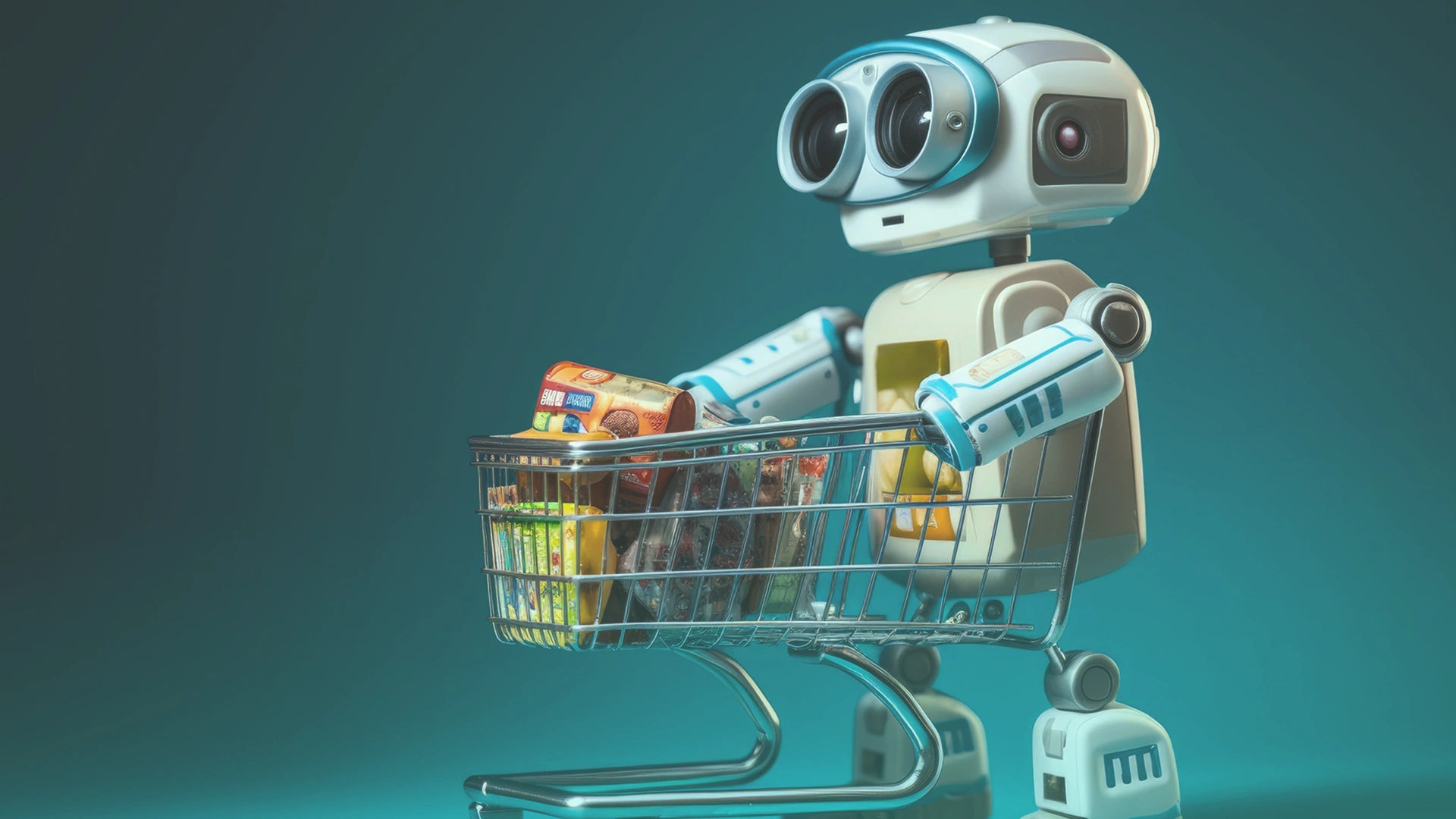
Plan meals from what’s in the fridge; auto-generate lists.
Food waste is a $1 trillion global issue, with nearly 30% of food produced wasted annually. Families want smarter ways to plan meals, reduce waste, and save money. Grocery planning apps that focus on sustainability are seeing strong adoption.
The app scans your fridge and pantry (via barcode, receipts, or manual input) and suggests meals from available ingredients. It also creates shopping lists for missing items.
Example: If you have chicken, spinach, and rice, the app suggests a stir-fry recipe, calculates portions, and flags spinach expiring in 2 days.
It saves money, reduces waste, and supports eco-conscious lifestyles.
Discover authentic homemade meals near you.
Food delivery remains one of the fastest-growing industries, valued at $108 billion in 2024. A big shift is toward authentic, homemade meals people crave healthy, local food that big chains can’t deliver. This is a rising niche in food delivery app development.
The app connects home cooks and moms running kitchens with local foodies looking for authentic meals.
Example: A busy professional opens the app, finds a mom nearby selling biryani, checks hygiene badges, and orders lunch with live route tracking.
It empowers local cooks, provides healthier options, and creates micro-business opportunities.

Roommates, trips, and teams settle up seamlessly.
Splitting bills is one of the biggest friction points for groups, whether it’s roommates paying rent or friends on a trip. In fact, a recent survey found 65% of millennials regularly use payment apps to manage shared expenses. People want transparency and automation to avoid awkward money talks.
The app automatically tracks group expenses, splits costs, and reminds users to pay—handling everything from monthly rent to one-time dinners.
Example: On a road trip, one friend pays for gas, another for food. The app logs expenses and shows who owes what in real time, settling balances in just a few taps.
Convenience and fairness drive adoption bill-splitting apps save friendships and time.

Debit card + gamified lessons for financial literacy.
Financial literacy is becoming a must-have skill, and parents want safe ways to introduce teens to money management. The global neobanking market is booming, projected to hit $6 trillion by 2030, and youth-focused apps are a major driver.
Teens get a prepaid debit card connected to an app that teaches budgeting, saving, and spending through gamified lessons. Parents oversee activity and set limits.
Example: Parents assign chores like “clean room” for $5. Teens complete it, get paid instantly, and see their savings goal bar fill up toward that new game console.
It empowers the next generation with smart money habits in a fun, controlled way.

Time tracking, contracts, and tax previews for freelancers.
Freelancers make up 36% of the U.S. workforce, and their numbers keep growing globally. Managing invoices, contracts, and payments manually is inefficient freelancers want streamlined tools that save time and reduce tax headaches.
The app combines time tracking, contract templates, and invoice automation into one dashboard. It also forecasts taxes and automates reminders for late clients.
Example: A freelance designer logs 20 hours on a project. The app auto-generates an invoice with milestones, adds tax estimates, and sends it to the client with a built-in payment link.
With freelancing on the rise, apps that simplify business tasks give independents more time to focus on actual work. Integration with AI accounting assistants and global payment rails for cross-border freelancers.

Auto-classify trades, NFTs, and DeFi activity.
Crypto adoption is exploding, but so are regulations. Filing taxes for trades, NFTs, and DeFi can be a nightmare one in four crypto traders report mistakes in tax filing. Apps that simplify compliance are becoming essential.
The app connects to wallets and exchanges, auto-classifies trades, and generates reports for tax season. It also tracks portfolios in real time and suggests strategies like loss harvesting.
Example: A trader who swapped 50 tokens across multiple exchanges gets a single tax report exported for their CPA in minutes, instead of hours of manual tracking.
With crypto entering mainstream finance, seamless compliance tools are critical for both individuals and businesses.

Monitor supplier quotes, negotiate automatically at reorder.
Small and medium businesses struggle to track fluctuating supplier prices. With inflation and global supply chain issues, price transparency is crucial. A study shows that over 60% of SMBs overpay suppliers due to a lack of visibility.
The app scans contracts, compares vendor prices, and automatically negotiates or alerts when it’s time to reorder.
Example: A café owner sees that milk prices from Vendor A are rising. The app recommends Vendor B with 10% cheaper rates and auto-prepares the reorder contract.
Vendor tracking apps cut costs, improve efficiency, and give SMBs a level playing field.

Scan in trolley, tap to pay, skip lines.
Long supermarket lines frustrate shoppers over 70% say they prefer self-checkout or contactless payment options. With AR and AI, checkout can be instant and frictionless.
Shoppers scan items directly in their trolley using their phone. The app tallies totals, applies coupons, and enables tap-to-pay checkout no cashier required.
Example: A parent with kids in tow scans groceries in real time, applies a discount coupon, and pays in-app, skipping the checkout line completely.
It saves time, reduces frustration, and modernizes the shopping experience.

Virtual queue, order-while-waiting, and dynamic seating.
Restaurants are bouncing back post-pandemic, and customer patience is thin. A survey shows 60% of diners prefer virtual waitlists over standing in line. Restaurants want tech that boosts turnover and increases sales.
Customers join a digital queue remotely, browse menus, and order while waiting. Restaurants optimize table turnover with AI-driven seating.
Example: A group of four books a spot at 7 PM, orders appetizers while waiting, and is seated with food ready when they arrive.
Restaurants need efficiency + customer satisfaction, and this app does both.

Cycle tracking, fertility, mood, and telehealth in one.
The femtech market is projected to surpass $103 billion by 2030. Women want tools that cover more than just cycle tracking they need holistic care spanning fertility, mental health, and telehealth access.
The app centralizes everything from cycle insights to doctor consultations. Users can log symptoms, moods, and fertility data, while telehealth integrations connect them to practitioners instantly.
Example use cases: Track cycles with mood correlations, plan fertility for conception or contraception, and book private telehealth sessions with specialists.
They address a massive, underserved need delivering convenience, privacy, and comprehensive care in one place.

Centralize records, meds, allergies, and care plans for loved ones.
Managing family healthcare is overwhelming especially for parents and caregivers. With multiple appointments, prescriptions, and records, a single platform saves time and reduces errors.
The app stores all family health records in one secure place. Parents, children, and caregivers can access tailored dashboards, while emergency cards ensure doctors see critical info instantly.
Example use cases: Store vaccination records for kids, track prescriptions and allergy lists, and securely share access with family members or physicians.
They streamline care management reducing medical risks and empowering families with one-click access to vital data.

Smart reminders + doorstep deliveries with refill automation.
Non-adherence to prescriptions costs the U.S. healthcare system over $300 billion annually (CDC). Apps that remind, track, and deliver medications directly are in high demand.
The app combines smart reminders with delivery services. Users scan their pill bottle, set reminders, and get doorstep refills before running out. Insurance integrations further simplify costs.
Example use cases: Get pill reminders with photo confirmation, automate monthly delivery scheduling, and use insurance lookup for cost savings.
They reduce missed doses, improve patient health, and save healthcare systems billions making them both impactful and profitable.

Book local pros (cleaning, plumbing, tutoring) with verified reviews.
Gig economy services are booming, with the local services market projected to reach $1.5 trillion by 2030. People want trusted, easy ways to find and book help for household tasks, tutoring, or repairs.
The app connects users with verified local professionals, offering instant booking and secure payments.
Example: A homeowner with a leaking pipe finds a plumber nearby, books instantly, pays via escrow, and leaves a verified review after service.
People want convenience and trust when hiring local services; this app delivers both.

Physio routines with pose estimation feedback.
Physical therapy is often expensive and requires frequent clinic visits. With rising demand for home-based recovery, digital PT solutions are booming.
Using smartphone cameras, the app analyzes body movements and provides real-time feedback on exercise form. Patients can track pain, log progress, and share results with clinicians.
Example use cases: Guided recovery after surgery, daily posture correction, and remote physiotherapist monitoring.
Key Features to Include
They bring affordable, guided physical therapy to millions, reducing barriers and improving recovery outcomes.

Short CBT/ACT exercises, mood journaling, and coach chat.
The global mental health app market is expected to hit $18 billion by 2030. Stress, anxiety, and burnout are rising, and users want accessible, stigma-free solutions.
The app offers daily mental health exercises based on CBT (Cognitive Behavioral Therapy) and ACT (Acceptance and Commitment Therapy). Users can log moods, join anonymized communities, or chat with mental health coaches.
Example use cases: 5-minute anxiety relief sessions, mood journaling with insights, and instant crisis hotline access.
They put mental health support into daily routines offering discreet, effective tools for resilience and well-being.
Before investing in development, check if the problem your app solves is truly relevant. Look for:
Did you know?
If many Reddit users complain about losing motivation in language learning apps, that’s your chance to add gamification or AI-driven encouragement.
Every successful app starts with a clearly defined audience. Ask yourself:
Knowing your audience ensures you design features that matter and market the app effectively.
Not every idea is practical to build right away. Consider:
Partnering with a top Android app development company or a cross-platform team can help you evaluate the effort, cost, and scalability.
An app needs a sustainable model. Common options include:
Choose the model that matches your app type and audience's willingness to pay.
Finally, consider if the app will still be relevant 2–3 years from now. Look at:
The mobile app market is incredibly dynamic, with some apps consistently dominating while new players rise fast.
Looking at the top trending apps of 2026 gives us insight into what works; community-driven content, convenience, and seamless integrations are at the heart of success.
Here are some of the most popular apps right now and the reasons behind their growth:
These apps highlight a few big themes: integration beats single-purpose, users love platforms where they can both create and consume, and apps that mix social + commerce are pulling ahead.
As of mid-2025, 94.2% of people aged 16+ who access the internet are using smartphones (3)
Localized experiences also matter; apps like Xiaohongshu thrive because they’re tuned to cultural needs.
For entrepreneurs and developers, these trends show that success in 2026 will come from apps that combine community, utility, and user experience into one package.
The mobile app market in 2026 is bursting with potential, but success depends on more than just inspiration.
The most profitable and impactful apps will be those that solve real problems, deliver smooth user experiences, and embrace technologies like AI, AR, and automation.
From healthcare to travel, gaming to security, the opportunities are wide open for entrepreneurs and developers.
The smartest path forward is to start small with an MVP, validate it with your target audience, and refine based on feedback.
With over 4.7 billion smartphone users worldwide, even a niche idea can grow into a global success.



Ameena is a content writer with a background in International Relations, blending academic insight with SEO-driven writing experience. She has written extensively in the academic space and contributed blog content for various platforms.
Her interests lie in human rights, conflict resolution, and emerging technologies in global policy. Outside of work, she enjoys reading fiction, exploring AI as a hobby, and learning how digital systems shape society.